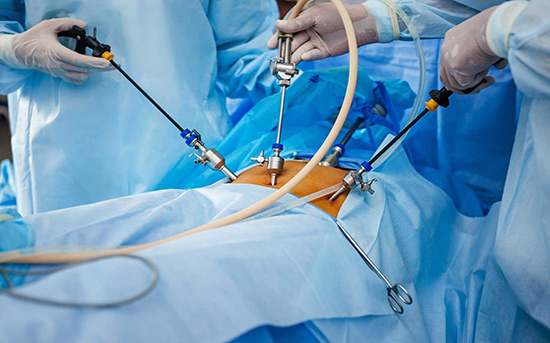
Laparoscopic surgery, which many people call doorbeen surgery, usually means smaller cuts, less pain and a quicker recovery than open surgery. But your body still needs time to heal inside. Here, our surgical team explains recovery after laparoscopic surgery: what is normal after the operation, how to eat, walk and care for your wounds, and when you can go back to work, including farm work and labour. Our surgeon's advice for your own case always comes first.
The first day or two
- You may feel sleepy, and your throat may be a little sore from the breathing tube used during anaesthesia.
- Mild nausea is common and usually settles within a day.
- You will usually start with sips of water, then light food, once the doctor allows.
- Pain at the cut sites is expected and is controlled with medicines. Take them as prescribed.
After common laparoscopic operations, most patients go home in 1 to 2 days, depending on their condition.
Shoulder tip pain: why it happens
Many patients are surprised to feel pain in one or both shoulders after stomach surgery. This is common and usually not a sign of a problem.
During laparoscopy, carbon dioxide gas is used to lift the abdominal wall so the surgeon can see. Some gas remains for a while and irritates the diaphragm, the muscle under the lungs. Nerves from this area share a pathway with the shoulder, so the pain is felt in the shoulder.
This pain usually settles within a few days as the body absorbs the gas. Walking, changing position and taking the prescribed painkillers help. Chest pain or breathlessness is different: report it at once.
Food after surgery
- Start with light, home-cooked food such as khichdi, dal and rice, daliya, curd, soup, soft roti and boiled vegetables.
- Eat small meals more often rather than one big meal.
- Avoid very oily, fried and spicy food for the first week or two. After gallbladder surgery, go slowly with fatty food for a few weeks.
- Drink enough water, unless the doctor has told you to limit fluids.
- If you have diabetes, keep checking your sugar and take your medicines as advised.
- Avoid alcohol and tobacco. Smoking slows healing and causes cough.
Walking and rest
Walking is one of the best things you can do after surgery. Our nursing team helps most patients to walk the same day or the next day.
- Take short walks several times a day inside the house or courtyard, and increase slowly.
- Walking helps prevent blood clots in the legs, chest infection and constipation. It also helps the gas pain settle.
- Take a few deep breaths every hour.
- Rest when tired, but do not stay in bed all day.
Wound care and stitches
- You will usually have 3 or 4 small cuts. Keep the dressings clean and dry.
- Do not apply turmeric, ghee, oil, powder or any home paste to the wounds.
- Look at the wounds daily. Mild bruising and tenderness are normal.
- Some stitches dissolve on their own. Others are removed at the follow-up visit, often around 7 to 10 days after surgery. Our surgeon will tell you which type you have.
Bathing
- Most patients can bathe after 2 to 3 days if the dressing is waterproof or our surgeon allows it. Follow the advice given at discharge.
- Pour water gently, do not rub the wounds, and pat them dry with a clean towel.
- Do not bathe in a pond, river or tank, or sit in a tub, until the wounds have fully healed.
Constipation
Constipation is common after surgery because of painkillers, less movement and less food. Straining is uncomfortable, especially after hernia repair.
- Drink water regularly and eat fruits such as papaya, vegetables and salad.
- Walk regularly.
- If you have not passed stool for 2 to 3 days, ask our doctor for a mild laxative. Do not take strong medicines on your own.
Lifting, driving and going back to work
- Lifting: avoid lifting heavy things, such as a full bucket of water, a gas cylinder, a sack of grain or a small child, for about 2 to 4 weeks after most laparoscopic operations. After hernia repair, our surgeon may ask you to wait longer.
- Driving and riding: do not drive a car or ride a motorcycle until you can turn and brake suddenly without pain and are no longer taking painkillers that make you drowsy. For many people this is around 1 to 2 weeks. Avoid long journeys on rough roads in the first days.
- Office, shop or light work: many patients return in about 1 to 2 weeks.
- Farm work, construction and labour: these put strain on the abdomen. Many patients can return gradually in about 3 to 6 weeks, depending on the operation and how the wounds have healed. Start with lighter tasks.
These are typical ranges. If your operation was converted to open surgery, or there was infection or a burst appendix, recovery takes longer. Our surgeon decides based on your condition.
Your follow-up visit
Come for follow-up on the date given. Bring your discharge papers and medicines. If a tissue sample, such as the removed gallbladder or appendix, was sent for testing, collect that report and show it to our doctor.
When to see a doctor: warning signs
Please call us or come to our emergency if you notice:
- Fever of 100°F or more, or shivering.
- Pain that is getting worse instead of better, or is not controlled by the prescribed medicines.
- Redness, swelling, pus or bleeding from a wound.
- Repeated vomiting, or being unable to eat or drink.
- A swollen, hard belly, or not passing gas or stool, with pain.
- Yellow eyes or skin, especially after gallbladder surgery.
- Breathlessness, chest pain, or swelling and pain in one leg.
- Difficulty passing urine.
At Dr. R.K. Thakur Hospital, we look after patients from Gopalganj, Siwan, Chhapra and nearby districts before and after their operation, and you are welcome to call us with any questions during recovery. You can read more about our laparoscopic gallbladder stone surgery, one of the most common keyhole operations.
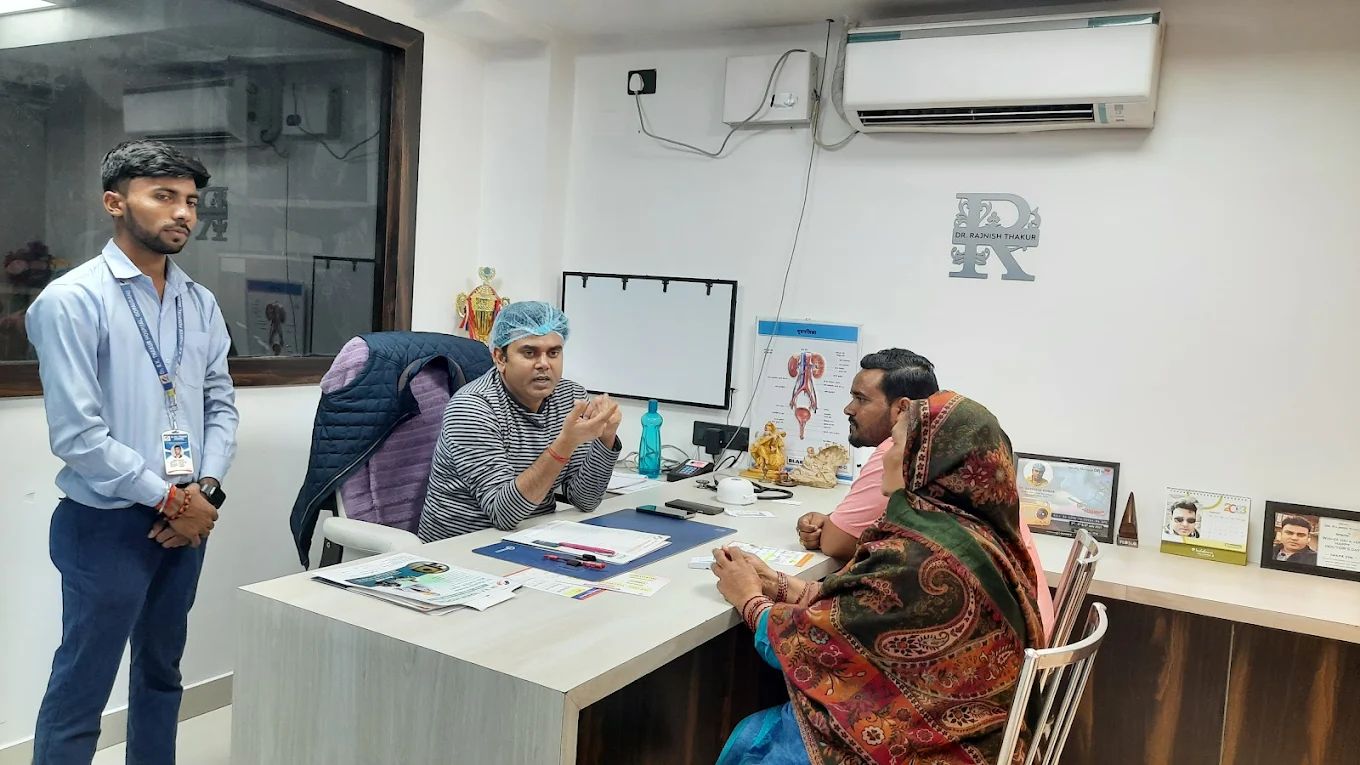
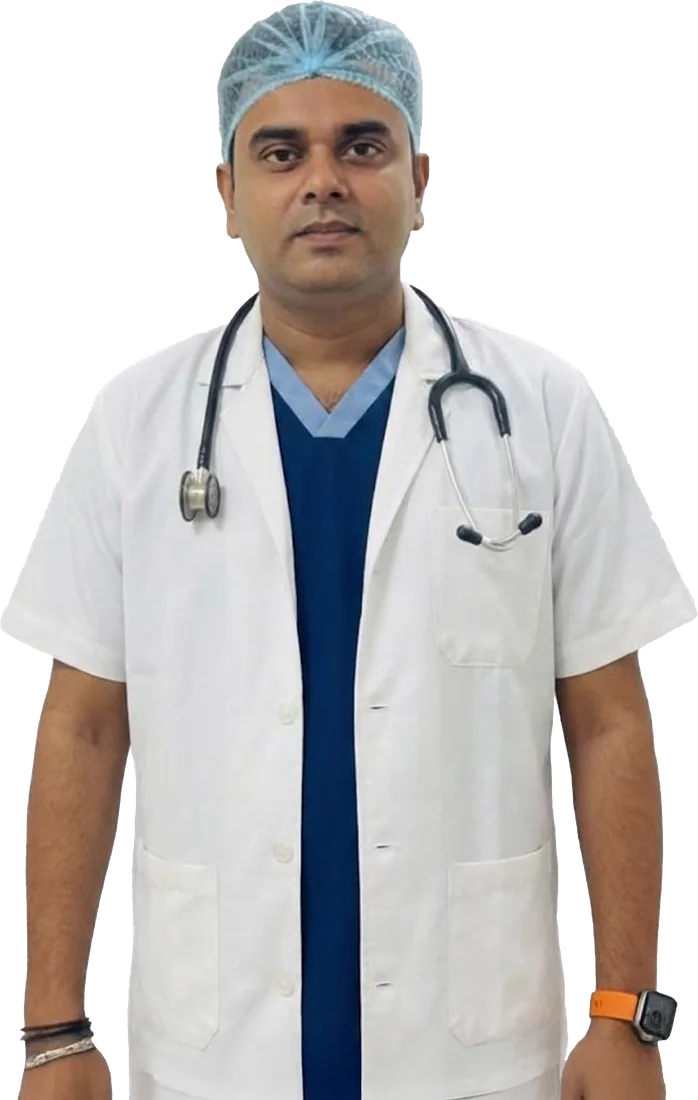
Our emergency in Gopalganj is open 24x7. For advice after your operation, please call or WhatsApp us on +91 72739 94786. You can also read our patient guide, and learn more about gallbladder stone surgery, laparoscopic hernia repair and appendix surgery. If you are planning an operation, you are welcome to meet Dr. Rajnish Kumar Thakur, our founder and chief surgeon, in our OPD to discuss your recovery plan.