Fissure Treatment
We care for anal fissure (फिशर), the painful cut in the anus, at Dr. R.K. Thakur Hospital, Gopalganj. Most fissures heal with diet, sitz baths and ointments; for a chronic fissure, we may advise a small operation.
We treat piles (haemorrhoids) with privacy and respect, from diet and medicines for early piles to laser treatment and MIPH stapler surgery when a procedure is needed, at Dr. R.K. Thakur Hospital, Gopalganj.
At Dr. R.K. Thakur Hospital, we offer laser piles treatment in Gopalganj for bleeding or prolapsing piles (bawasir), with privacy and respect at every step. We treat early piles with diet and medicines, and we advise laser or MIPH stapler surgery only when a procedure is truly needed. Treatment is led by Dr. Rajnish Kumar Thakur, our founder and chief surgeon, MS (General Surgery), and our hospital has its own diode laser and MIPH stapler facility. Our patients come from Gopalganj, Siwan, Chhapra, Motihari, Bettiah and the nearby Uttar Pradesh districts of Kushinagar and Deoria, and many families looking for piles treatment near Siwan come to us. Families trust Dr. Thakur for his 16+ years of surgical experience, his work at IGIMS Patna and Lady Hardinge Medical College, New Delhi, and his honest advice, including when no operation is needed. His OPD runs Monday to Friday, 10 am to 7 pm, and you are welcome to send your reports on WhatsApp to +91 72739 94786 before your visit.
Piles, also called haemorrhoids (बवासीर), are cushions of blood vessels inside the anus that have become swollen. Constipation, straining, sitting long on the toilet, pregnancy and heavy lifting make them worse. Some people mainly have bleeding, some mainly have a lump coming out (prolapse), and many have both.
Doctors grade internal piles in four stages. Grade 1: bleeding, but no lump comes out. Grade 2: the lump comes out during stool and goes back by itself. Grade 3: it has to be pushed back with a finger. Grade 4: it stays outside.
Early piles usually settle with diet and medicines. When a procedure is needed, we offer two modern options. In laser haemorrhoidoplasty, a thin laser fibre is passed into the pile through a tiny opening, and the laser shrinks it from inside. In MIPH (minimally invasive procedure for haemorrhoids, also called stapler haemorrhoidopexy), a circular stapler lifts prolapsing piles back into place and reduces their blood supply.
We understand that many people hide piles for years out of shyness, or keep trying remedies that promise a guaranteed cure. Please do not delay. Long-standing bleeding can cause anaemia, and piles often grow with time. The examination takes a few minutes and is done in complete privacy. Bleeding is not always piles, so if you are above 40, have lost weight or your bowel habit has changed, we may advise a colonoscopy.
We treat grade 1 and most grade 2 piles with fibre, water, stool softeners, warm sitz baths and medicines. Laser often suits grade 2 and grade 3 piles that bleed or keep troubling you. MIPH suits many grade 3 and some grade 4 prolapsing piles. Conventional haemorrhoidectomy, where the piles are cut away, may be better for very large external piles, big skin tags, or hard, fixed piles. Our surgeon advises the method that suits your grade.
You can usually walk the same day and start light food as advised. Eat plenty of fibre, drink enough water and take the stool softener we prescribe, so that you do not strain. Warm sitz baths help with discomfort. Some swelling, a little bleeding, fullness or an urge to pass stool is common for a few days to weeks and usually settles. Most people return to light work in about a week and avoid heavy lifting for 2 to 3 weeks. Please come for follow-up as advised, and contact us at once for heavy bleeding, fever or difficulty passing urine.
Good habits after piles surgery help the area heal and lower the chance of piles coming back. We give every patient this advice at discharge.
Like any operation, piles procedures have some risks. These include bleeding, pain, swelling, difficulty passing urine for a short time after spinal anaesthesia, infection, and a feeling of urgency to pass stool. Rare problems include narrowing of the anal canal or, after MIPH, injury to the rectal wall. Piles can come back after any method, and the chance is somewhat higher after laser or MIPH than after conventional surgery, especially with bigger piles or continued constipation. We keep these risks low through careful choice of method, experienced technique and clear diet advice, and we explain them to you before surgery.
Many patients ask us about the piles operation cost in Gopalganj first, and we welcome the question. We do not quote one fixed figure, because the cost depends on your case: the method (medicines only, laser, MIPH stapler or conventional surgery), the tests needed, the type of anaesthesia, the number of days in hospital, the room you choose (general ward or private room) and the medicines after discharge. After the consultation and reports, we give you a clear written estimate before admission, so your family can plan. You can also send your reports on WhatsApp to +91 72739 94786 first.
We are empanelled under Ayushman Bharat PM-JAY for general surgery and laparoscopic surgery packages. Whether your treatment and the chosen method are covered depends on the scheme's package list and your eligibility, so please bring your Ayushman card and Aadhaar card and confirm with our Ayushman help desk before admission.
Our hospital has a dedicated facility for MIPH stapler piles surgery and a diode laser for piles treatment. Your care is led by Dr. Rajnish Kumar Thakur, a laparoscopic, laser, urology and general surgeon with 16+ years of surgical experience and 10,000+ surgeries performed, including work at IGIMS Patna and Lady Hardinge Medical College, New Delhi. Patients come to us from Gopalganj, Siwan, Saran, the Champarans and nearby Uttar Pradesh. We explain every option honestly, including when no procedure is needed.
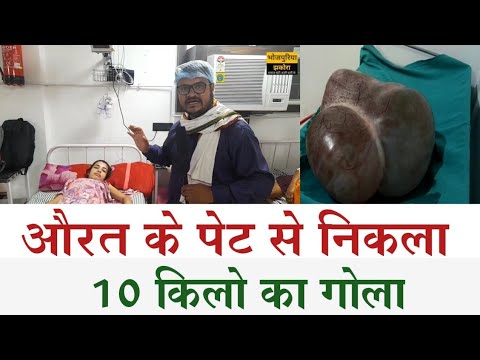
A local news report showing our laser machine and how we use it for piles, fistula, fissure, pilonidal sinus and varicose veins, with a short hospital stay for suitable patients.
Bhojpuriya Jhakora · 2023-09-03Yes, in many cases. Grade 1 and most grade 2 piles usually settle with a high-fibre diet, plenty of water, stool softeners, warm sitz baths and the medicines we prescribe. Avoid straining and do not sit on the toilet for long. We usually advise a procedure when piles keep coming out and have to be pushed back (grade 3 or 4), or when bleeding continues despite proper treatment.
After a private examination and routine tests, we give you anaesthesia, usually spinal, so the lower body is numb. A thin laser fibre is passed into each pile through a tiny opening, and controlled laser energy shrinks the pile from inside. There is no large cut outside the anus. For big prolapsing piles, we may choose MIPH stapler surgery instead. Dr. Thakur explains which method suits your grade before the day of surgery.
The procedure usually takes 20 to 45 minutes. Most patients stay with us about 1 day, and some go home the same day. You can walk the same day. Some swelling, fullness or a little bleeding for a few days is common. Most people return to light work in about a week and avoid heavy lifting for 2 to 3 weeks. Full healing takes a few weeks, and our surgeon guides you based on your condition.
No procedure is completely painless, but most of our patients feel less pain after laser or MIPH than after conventional piles surgery, because no large wound is made on the sensitive skin outside the anus. We give pain medicines after surgery. Some swelling, fullness or discomfort for a few days is common and usually settles. Our surgeon will explain what to expect in your case.
It depends on the grade and size of your piles. Laser often suits grade 2 and grade 3 piles, especially when bleeding is the main problem. MIPH suits many grade 3 and some grade 4 piles that come out and need pushing back. Very large external piles or big skin tags may need conventional surgery. No single method suits everyone, so our surgeon decides after examining you.
Home care does help early piles: fibre, isabgol, plenty of water, warm sitz baths and not straining. Medicines prescribed by a doctor can control bleeding and swelling. But no cream, powder or desi nuskha can remove grade 3 or 4 piles that keep coming out. Please be careful of anyone who promises a guaranteed permanent cure without a proper examination or a medical degree. Bleeding can also come from other problems, so get checked by a qualified surgeon.
The cost depends on the method (laser, MIPH stapler or conventional surgery), the tests needed, the type of anaesthesia, the number of days in hospital, the room you choose and the medicines after discharge. We do not quote a figure without examining you. After the consultation and reports, we give you a clear written estimate before admission. You can send your reports on WhatsApp to +91 72739 94786 to begin.
We are empanelled under Ayushman Bharat PM-JAY for general surgery and laparoscopic surgery packages. Whether your piles treatment and the chosen method are covered depends on the scheme's package list and your eligibility. Please bring your Ayushman card and Aadhaar card, and ask our Ayushman help desk to check before admission. For other patients, we explain the expected cost clearly before admission, so there are no surprises.
Eat soft, home-cooked food with plenty of fibre: dal, roti, green vegetables, fruits such as papaya and banana, and salad. We may advise isabgol to keep the stool soft. Drink enough water through the day. For the first few weeks, avoid very spicy and fried food, maida items and alcohol, and do not strain on the toilet. Keeping these habits for life lowers the chance of piles coming back.
Yes, piles can come back in some patients after any method, and a little more often after laser or MIPH than after conventional haemorrhoidectomy. The chance is lower if you prevent constipation for life: eat fibre, fruits and green vegetables, drink enough water, stay active, and do not strain or sit long on the toilet. Regular follow-up with us helps catch any problem early.
We advise choosing a qualified surgeon who examines you properly and can offer every option, from medicines to laser, MIPH and conventional surgery, so that the method fits your piles. Dr. R.K. Thakur, our founder and chief surgeon, MS (General Surgery), is a laparoscopic, laser, urology and general surgeon with 16+ years of surgical experience and 10,000+ surgeries, including experience at IGIMS Patna and Lady Hardinge Medical College, New Delhi. You can read our patients' reviews on Google.
Yes. Our hospital is in Gopalganj, on Kamla Rai College Road, Arar, a short journey from Siwan, and patients regularly come to us from Siwan, Chhapra, Motihari, Bettiah, Kushinagar and Deoria. We perform laser, MIPH stapler and conventional piles surgery here. Please send your reports on WhatsApp to +91 72739 94786, then visit our OPD, Monday to Friday, 10 am to 7 pm. Many patients go home the same day or the next day.
Share your details and our team will call you back to plan your visit.
This information is for general awareness and does not replace a consultation. Treatment depends on each patient's condition.
Last updated: 30 September 2026
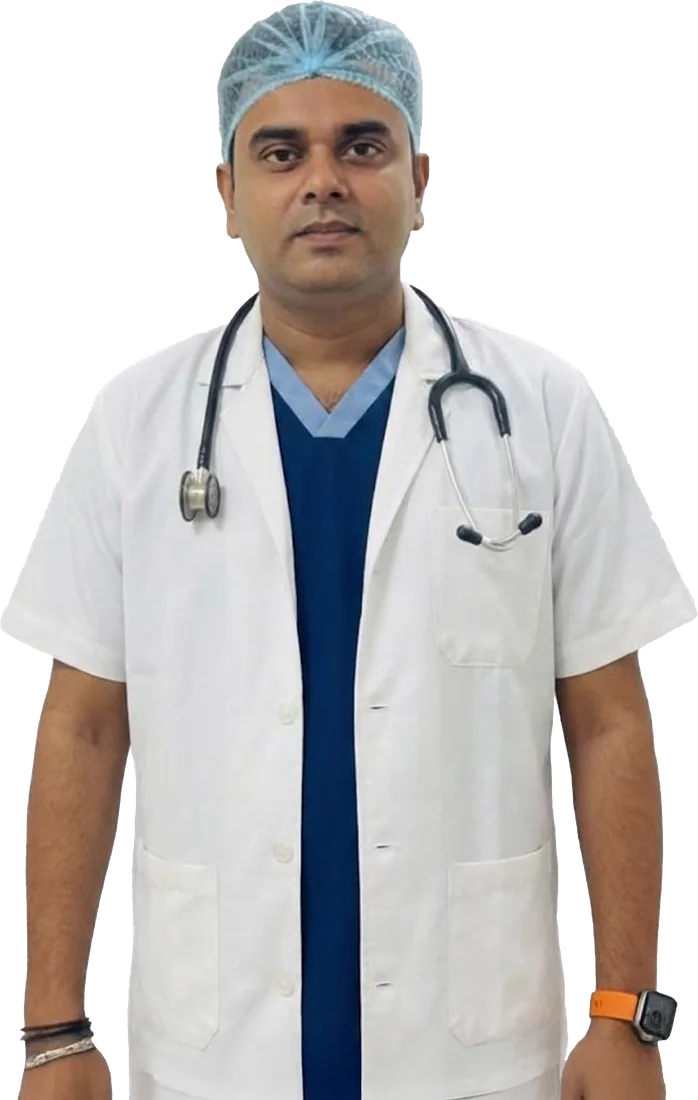
Founder and Chief Surgeon: Laparoscopic, Laser, Urology and General Surgeon
MBBS, DA, MS (General Surgery)
View detailsReal reviews from patients and families, as posted on our Google Business Profile.

I Recently Visited this Clinic in Gopalganj, Earlier I was a bit Hesitant, But Once I met the Doctor, I was so Sure & Confident that I am in Good Hands,
Very Well Experienced Doctor
Well Behaved Staffs
Nice Arrangements
& Most Important, Very Easy Procedure.
Would Always be Thankful to Mr. RK Thakur & His Team.
My relative hernia surgery at Dr RK Thakur Hospital Went Very Well, Skilled Doctors, Caring Staff and Smooth recovery, Highly Satisfied.
डाक्टर साहब बहुत अच्छे है उनका बात करने का अंदाज बहुत ही निराला है स्टाफ के बारे में कुछ नहीं कहा जा सकता बाकी हॉस्पिटल अच्छा हैDoctor sahib is very good, and the way he talks to patients is truly special. I cannot say much about the staff, but otherwise the hospital is good.
Share your name and phone number. Our team will call you back to plan your OPD visit.