Many of our patients from Gopalganj, Siwan and nearby districts are told they need a "doorbeen se operation" and are not sure what that means. Some imagine the whole belly will be opened; others think a doorbeen means no real operation at all. Knowing how laparoscopic surgery is done, step by step, from your first OPD visit to going home, makes the whole process far less worrying. We take a planned operation such as gallbladder stone removal as the example; most keyhole operations follow similar steps.
What is a doorbeen operation? The laparoscopic surgery steps in brief
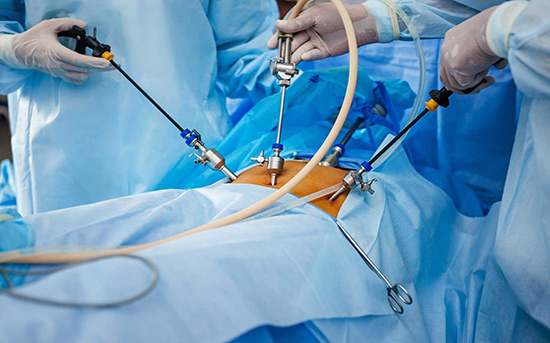
"Doorbeen" means telescope. In laparoscopic surgery, the surgeon puts a thin telescope with a camera and a light, called a laparoscope, into the abdomen through a small cut. The camera shows a magnified picture on a screen. The surgeon then operates with long, thin instruments passed through 2 or 3 more small cuts, while watching the screen. It is a real operation, done under anaesthesia, but through small cuts instead of one large one. When patients ask us "doorbeen se operation kaise hota hai", the short answer is: through small holes, with a camera.
Step 1: OPD consultation
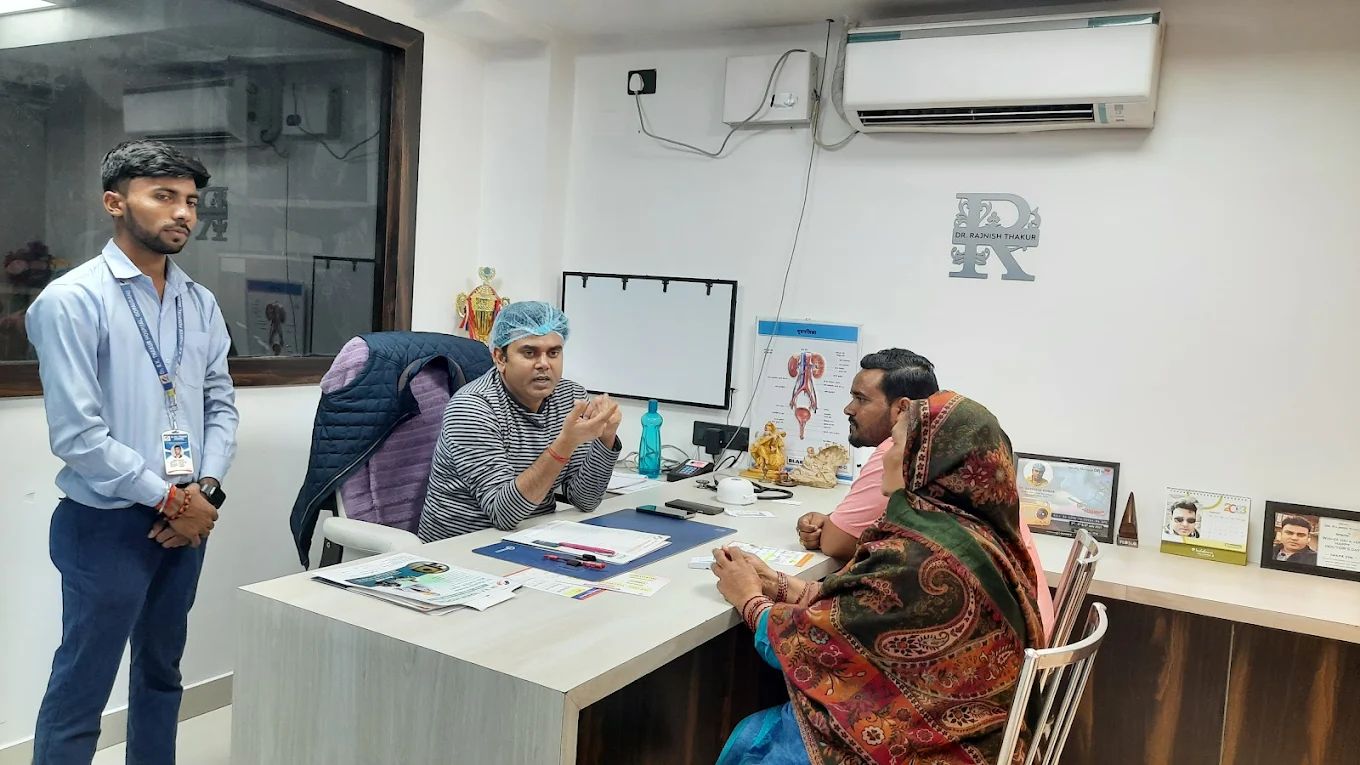
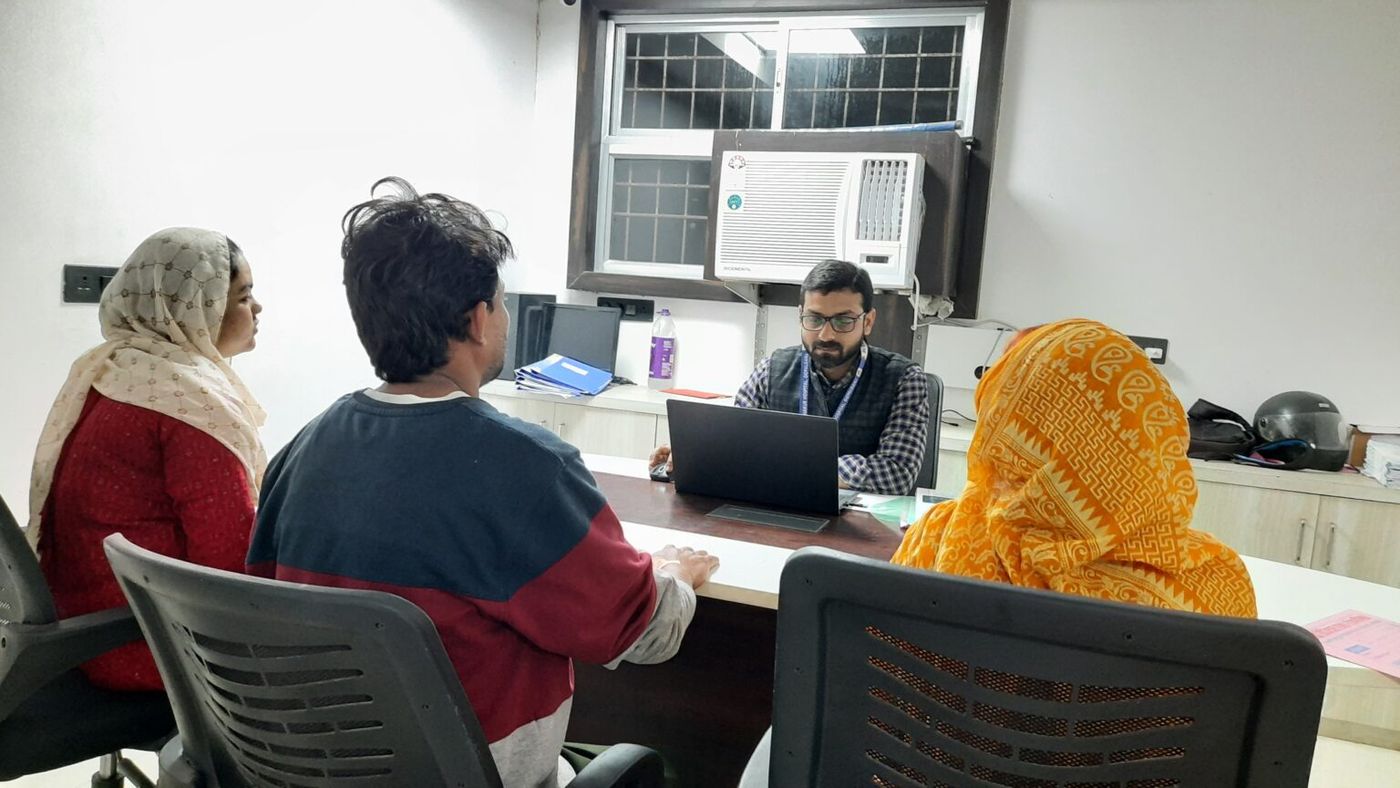
You meet our surgeon in the OPD, who asks about your symptoms, examines you and reviews your reports, such as an ultrasound. If an operation is needed, our surgeon explains why, the options, the method, the likely stay and the recovery. At Dr. R.K. Thakur Hospital, Dr. Rajnish Kumar Thakur, our founder and chief surgeon, explains the procedure to a family member of every patient before laparoscopic surgery, so that the family understands what will happen. We explain the costs before admission, and Ayushman card holders can ask our help desk whether their operation is covered.
Step 2: Tests and fitness check
Before surgery, we arrange tests to make sure you are fit for anaesthesia and to plan the operation safely. These usually include:
- Blood tests, such as blood count, sugar, kidney and liver tests, and tests for infections like hepatitis.
- ECG and chest X-ray, depending on your age and health.
- Extra tests when needed, such as ECHO for heart patients.
- A check-up by the anaesthesia doctor, called a pre-anaesthetic check.
We have a pathology lab, digital X-ray, ultrasound, ECG and ECHO within our hospital. If you have diabetes, high blood pressure or heart disease, your medicines may be adjusted before surgery. Please tell our doctors about every medicine you take, especially blood thinners.
Step 3: Getting ready for the operation
- Fasting: we will ask you not to eat or drink for a set number of hours before surgery, usually from the night before for a morning operation. Please follow the exact time we give you, because an empty stomach makes anaesthesia safer.
- Consent: you and a family member sign the consent form after we have answered your questions. It mentions that the operation may need to be changed to open surgery if required for safety.
- Preparation: you bathe, remove jewellery and wear a hospital gown. A drip (IV line) is put in your hand for fluids and medicines.
If you are coming from far, our surgery preparation checklist lists what to bring.
Step 4: Anaesthesia
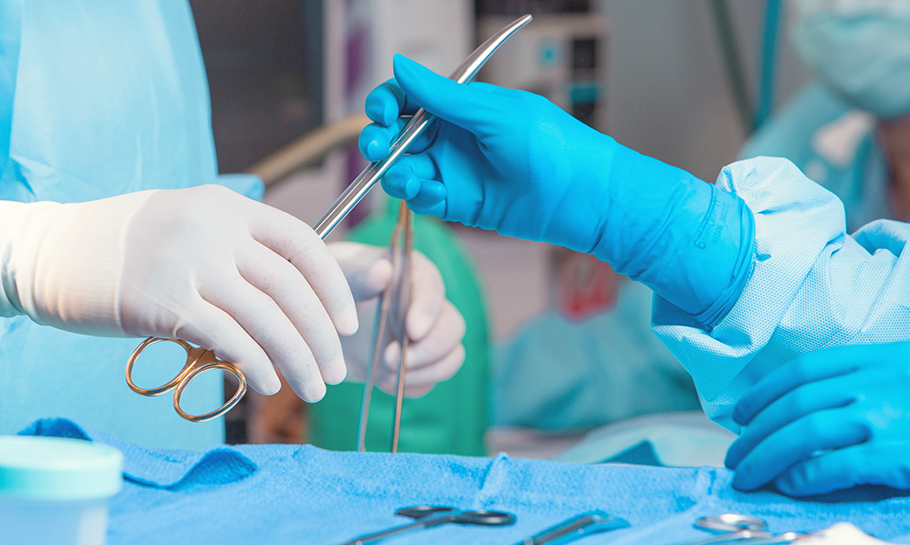
In our operation theatre, monitors are attached to check your heart rate, blood pressure and oxygen. Most laparoscopic operations are done under general anaesthesia, which means you are fully asleep and do not feel the operation. A breathing tube is placed after you are asleep, and our anaesthesia doctor watches you throughout.
Step 5: How laparoscopic surgery is done inside the theatre
- First small cut: our surgeon makes a small cut, usually at or near the navel.
- Gas to make space: carbon dioxide gas is passed into the abdomen. It lifts the wall of the abdomen like a tent, giving the surgeon room to see and work.
- Camera in: the laparoscope is inserted, and a magnified view of the inside appears on the screen.
- More small cuts: usually 2 or 3 more cuts, each about half a centimetre to one centimetre, are made for the instruments.
- The operation itself: the surgeon does the needed work while watching the screen. In gallbladder stone surgery, the duct and artery of the gallbladder are closed with clips and the gallbladder is separated from the liver. In appendix surgery, the appendix is tied off and removed. In diagnostic laparoscopy, the surgeon looks carefully at the organs to find the cause of a problem and may take a small sample (biopsy).
- Removal: the removed organ is taken out through one of the cuts, often in a small bag, and is usually sent for histopathology, a microscope test.
- Closing: the surgeon checks for bleeding, lets the gas out and closes the small cuts with stitches, clips or skin glue, and then puts on small dressings.
If our surgeon finds heavy swelling, bleeding or dense scar tissue, the operation may be changed to open surgery for your safety. This is called conversion. It happens in a small number of patients and shows careful judgement, not failure.
How long does laparoscopic surgery take?
The time in the theatre depends on the operation and how complex your case is. As a rough guide, a laparoscopic appendix operation usually takes 30 to 60 minutes, gallbladder removal 45 to 90 minutes, and hernia repair 45 minutes to 2 hours. Your family will wait longer than this, because preparation, anaesthesia and waking up also take time.
Step 6: Waking up and the ward
After the operation you are woken up and watched in the recovery area until you are fully awake, and then shifted to the ward or your room. Patients who need close monitoring may be kept in our ICU for a short time. In the first hours you may feel:
- Soreness at the small cuts.
- Bloating, and pain in the shoulder from the gas, which usually settles in 1 to 3 days.
- A sore throat from the breathing tube, or mild nausea.
Most patients start walking within a few hours, at first with help. Sips of water are started when our team allows, then liquids and light food.
Step 7: Discharge and follow-up
Most patients go home in 1 to 2 days after a planned laparoscopic operation, once they are walking, eating and their pain is under control. Before you leave, our team explains your medicines, wound care, bathing, diet and the follow-up date. At the follow-up visit, usually after about a week, the wounds are checked, stitches are removed if needed and the histopathology report is discussed. For the weeks after surgery, read our guide on recovery after laparoscopic surgery.
When to see a doctor
- You have been advised surgery for gallbladder stones, appendix, hernia or another problem and want to know whether it can be done by laparoscopy.
- You have stomach pain that keeps coming back, and tests have not found the cause.
- After surgery, you have fever, pus at a wound, increasing pain, repeated vomiting, yellow eyes or breathlessness. Please contact us at once.
Dr. Thakur sees patients in our OPD at Dr. R.K. Thakur Hospital, Gopalganj, from Monday to Friday, 10 am to 7 pm, and our emergency is open 24 hours. Please call or WhatsApp us on +91 72739 94786 to book your OPD visit or to send your reports in advance. We will explain your operation step by step before you decide.