Many men above 50 start waking up two or three times at night to pass urine. The stream becomes weak, it takes time to start, and the bladder never feels fully empty. Often this is put down to old age and ignored for years. In many cases these are enlarged prostate symptoms, and the condition can be treated.
What is the prostate?
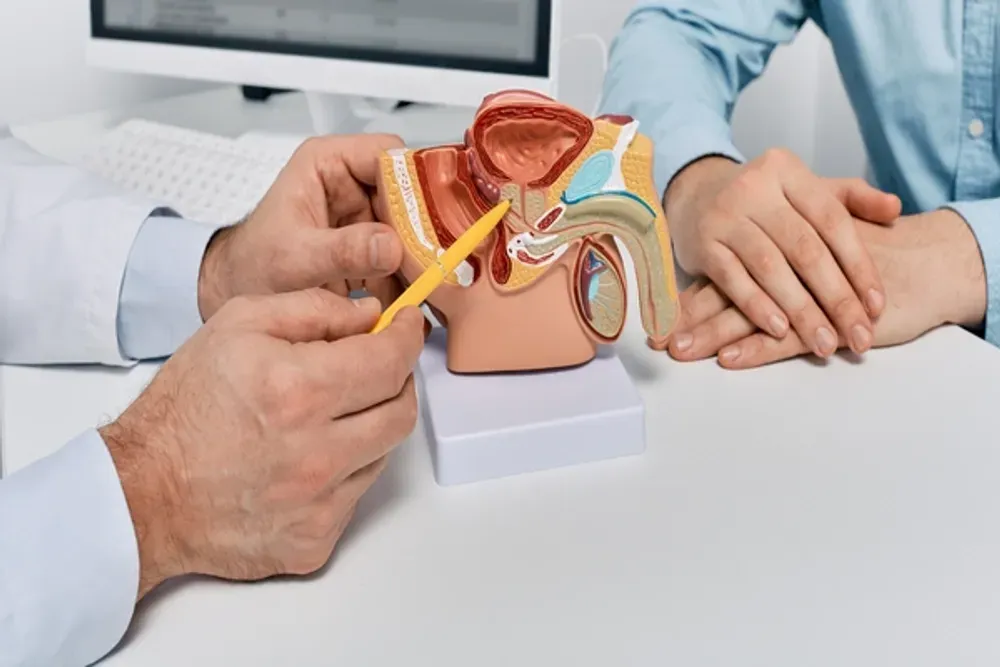
The prostate is a small gland found only in men. It sits directly below the bladder and wraps around the urethra, the tube that carries urine out of the body. With age, the prostate slowly grows in most men. This non-cancerous growth is called benign prostatic hyperplasia, or BPH.
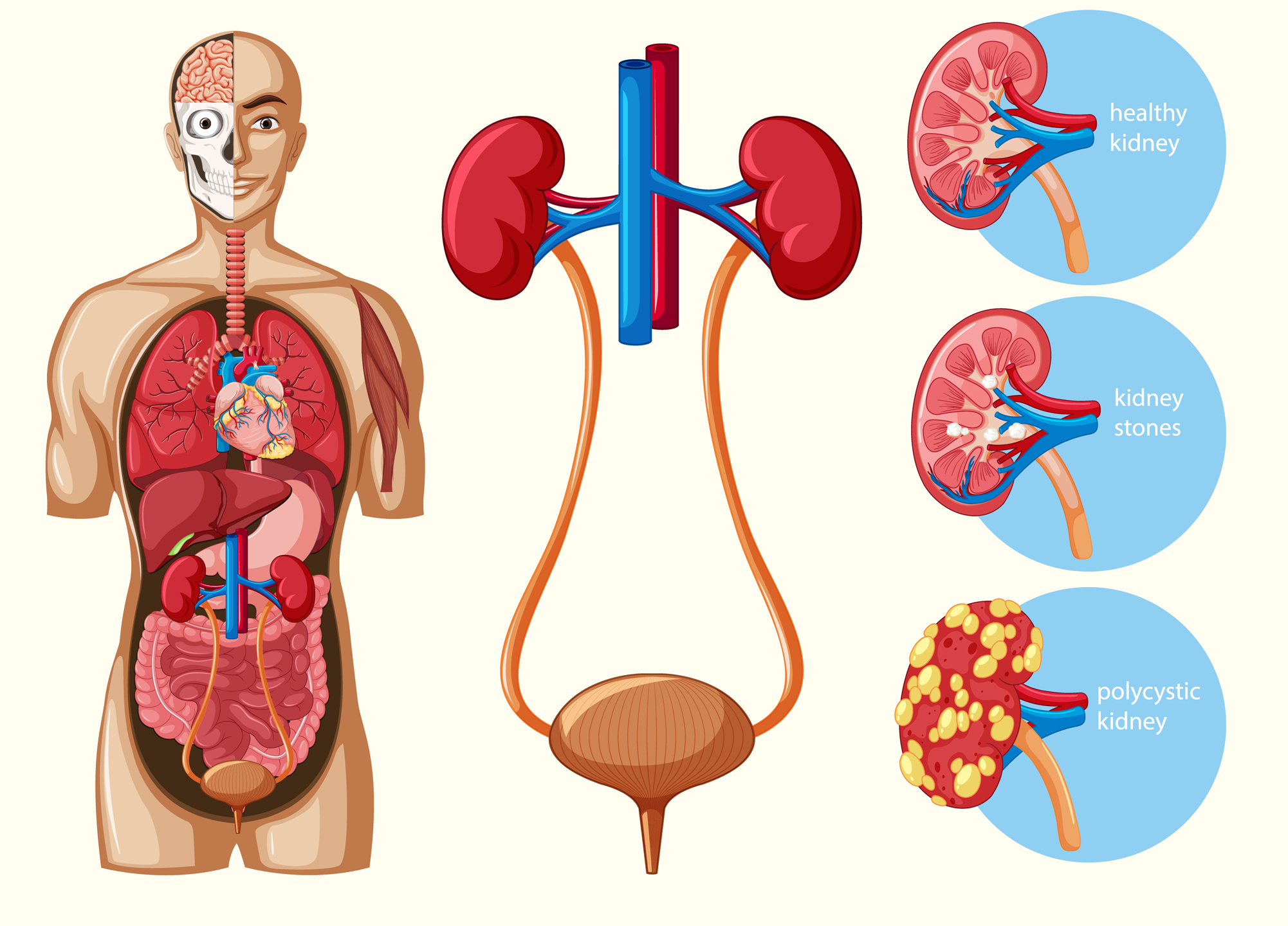
As the gland grows, it can squeeze the urine tube. The bladder has to work harder, and over time this can harm the bladder and even the kidneys.
Common symptoms
- Getting up again and again at night to pass urine
- A weak or thin stream, or a stream that stops and starts
- Having to wait or strain before urine starts
- Feeling that the bladder is not empty even after passing urine
- A sudden urge to pass urine that is hard to hold
- Dribbling of drops after finishing
Similar symptoms can also come from diabetes, urine infection, a narrowing of the urine passage (stricture), stones or, less commonly, prostate cancer. That is why proper tests matter more than guesswork.
Is an enlarged prostate the same as cancer?
No. BPH is not cancer and does not turn into cancer. However, prostate cancer can also occur in older men, sometimes along with BPH, and early symptoms can look alike. The doctor may advise a blood test called PSA (prostate specific antigen) along with an examination. PSA can also rise with infection or a large prostate, so our doctor will explain what your result means.
Tests you may need
- Urine test: to check for infection, blood or sugar.
- Ultrasound: to see the size of the prostate, the kidneys and bladder, and how much urine is left behind after passing urine.
- Blood tests: kidney function (creatinine), blood sugar and, when advised, PSA.
- Examination: including a gentle finger check of the prostate through the back passage, which takes less than a minute.
Bring your old reports and a list of the medicines you already take.
Treatment without surgery
Many men with mild to moderate symptoms do well without an operation.
Changes in daily habits
- Drink less water and tea in the two hours before sleeping, but drink enough during the day.
- Cut down on tea and coffee, especially in the evening.
- Do not hold urine for long hours, especially while travelling.
- Avoid constipation, as straining puts pressure on the bladder.
- Check with a doctor before taking cold and cough medicines, as some can make it harder to pass urine.
Medicines
Some medicines relax the muscle of the prostate so urine flows more easily. Others slowly shrink the prostate over several months. They work only when taken regularly. Some men feel dizzy when standing up quickly or notice a change in ejaculation. Tell your doctor if this happens, and do not stop or change medicines on your own.
When is TURP surgery needed?
Surgery is usually advised when:
- Medicines do not give enough relief, or cause troublesome side effects
- Urine stops completely (urinary retention) and a catheter was needed
- Urine infections keep coming back
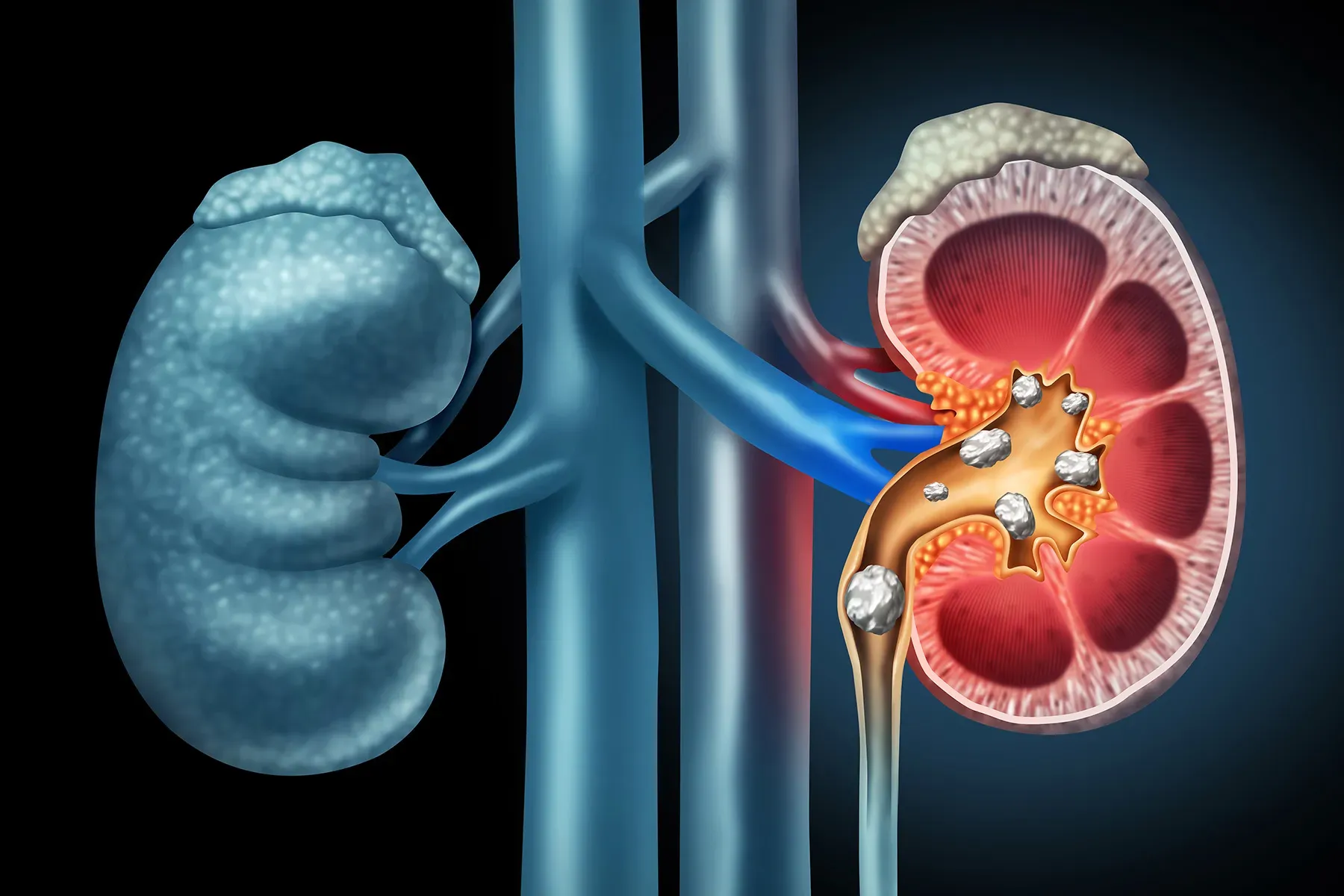
- Stones form in the bladder
- Bleeding in the urine from the prostate keeps returning
- The kidneys start getting affected because urine is backing up
What happens in TURP
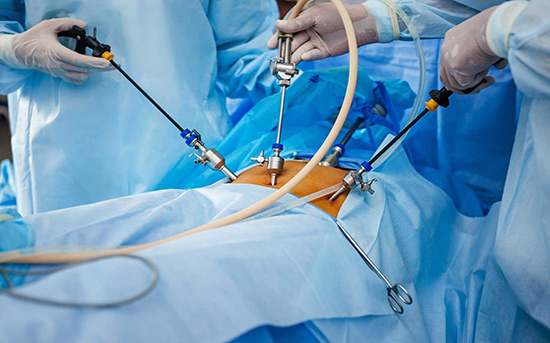
TURP means transurethral resection of the prostate. It is done through the natural urine passage with a thin telescope, so there is no cut on the belly. The part of the prostate that blocks the urine tube is removed in small pieces, and the removed tissue is usually sent to the laboratory for testing.
The operation is usually done under spinal anaesthesia, where the lower body is numb. A urine catheter stays for a few days afterwards. Most patients stay in hospital for about 2 to 4 days, but the surgeon decides based on your condition.
Recovery after TURP
- Some blood in the urine for a few days, sometimes a few weeks, is common. Drink plenty of water.
- Avoid heavy lifting, straining and cycling on rough roads for about 4 to 6 weeks.
- Eat fibre-rich food to avoid constipation.
- Some burning and frequent urination may continue for a few weeks.
- Many men notice that semen goes back into the bladder instead of coming out. This is common after TURP and is not harmful, though it can affect fathering a child.
Most men get a much better stream and fewer night visits after recovery. For most men, erections are not affected, but discuss any concern with your surgeon. Like any operation, TURP has possible risks such as bleeding, infection and, in some men, the need for another procedure later. Our surgeon explains these to you and your family before surgery.
Why you should not ignore it
Many men in villages live with these problems for years out of shyness or fear of surgery. Left untreated, a blocked prostate can lead to sudden inability to pass urine, infections, bladder stones and kidney damage. Early advice often means simpler treatment.
When to see a doctor
- You cannot pass urine at all, or only drops come with a painful, full bladder. This is an emergency; go to the nearest emergency.
- Fever, burning or blood in the urine
- Getting up to pass urine more than twice on most nights
- A weak stream or straining that is getting worse
- Swelling of the feet, poor appetite or tiredness along with urine problems
At Dr. R.K. Thakur Hospital, we see men from Gopalganj, Siwan, Chhapra and nearby districts, including Kushinagar and Deoria in Uttar Pradesh, for urine and prostate problems. Please bring your old reports and the list of medicines you take. If surgery is advised, you can read about our TURP surgery for an enlarged prostate.
In our hospital, prostate problems are evaluated and treated by Dr. Rajnish Kumar Thakur, our founder and chief surgeon, a Laparoscopic, Laser, Urology and General Surgeon with more than 16 years of experience. Ultrasound and laboratory tests are available under one roof, and our emergency is open 24x7. You can read more about prostate surgery (TURP) and urine infection treatment. To book an OPD visit, please call or WhatsApp us on +91 72739 94786.