Kidney stones are one of the most common reasons people in Gopalganj, Siwan, Saran and the Champarans visit a surgeon. The pain is often sudden and severe. It usually starts in the back or side and moves towards the lower belly or groin. Here, our surgical team explains the kidney stone size for surgery, the water and diet that help, and the treatment options.
Not every stone needs an operation. The size of the stone, its position and the health of the kidney decide whether medicines are enough or whether URSL, PCNL or a DJ stent is needed. Your own treatment always depends on your reports and on our surgeon's examination.
What is a kidney stone?
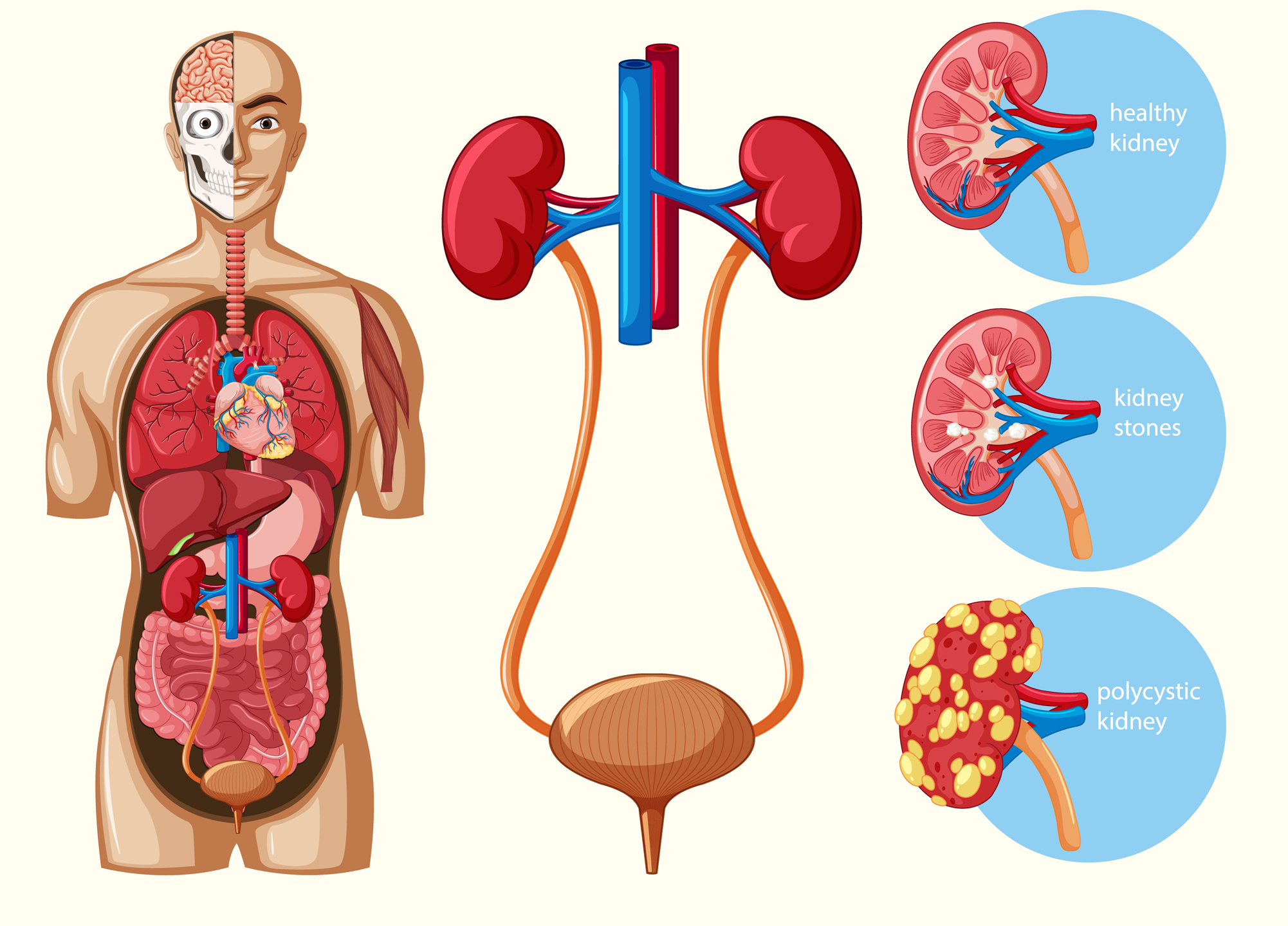
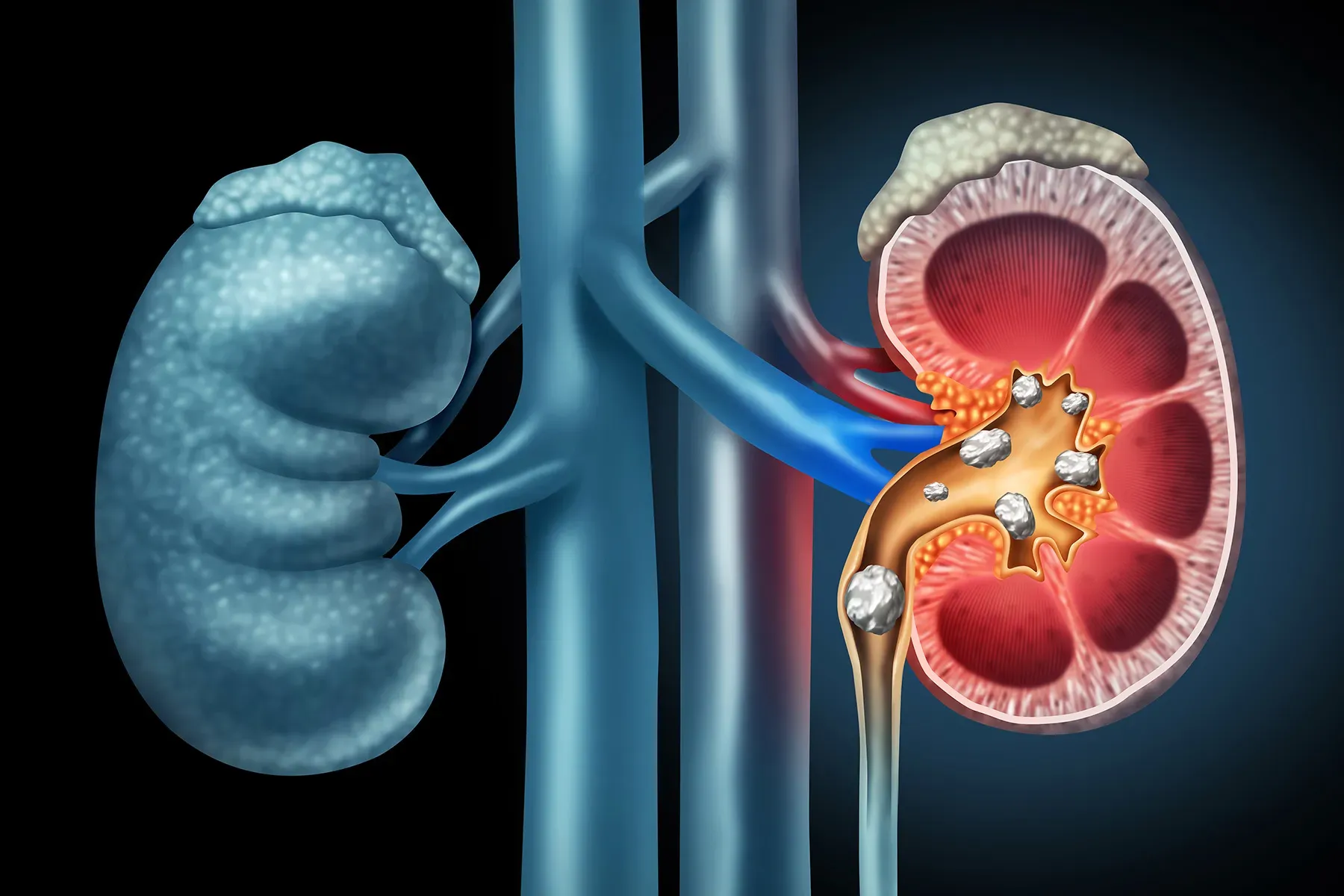
Urine carries minerals such as calcium, oxalate and uric acid. When urine is concentrated, with too little water and too much salt, these minerals stick together and slowly form a hard stone. A stone can sit quietly in the kidney for years. Trouble usually starts when it moves into the ureter, the thin tube that carries urine from the kidney to the bladder, where it can block the urine and cause severe pain.
In our region, the risk is higher because of the long Bihar summer and heavy sweating during field and outdoor work, drinking too little water, salty foods such as pickles (achar), papad and namkeen, and a family history of stones.
Does stone size decide the treatment?
Size is one of the most important factors, along with the position of the stone, whether it is blocking the kidney, and whether there is infection:
- Up to about 5 mm: many of these pass on their own within a few weeks, with plenty of fluids and the medicines your doctor prescribes.
- About 5 to 10 mm: some pass on their own, but the chance falls as the size increases. The doctor may try medicines first and then repeat the scan.
- More than about 10 mm: these usually do not pass on their own and often need a procedure.
A stone low in the ureter, near the bladder, passes more easily than one higher up. A stone that blocks the kidney and causes swelling (called hydronephrosis) should not be left for long, even if it is small, because the kidney can be damaged silently.
Tests usually include an ultrasound, an X-ray, a urine test and a kidney function blood test. Sometimes the doctor also advises a CT scan.
Water: the most important medicine
Most adults with stones are advised to drink about 2.5 to 3 litres of fluid spread through the day, and more in hot weather or during hard physical work.
- Keep a water bottle with you at work, in the field and while travelling.
- Check your urine colour: pale yellow is good, dark yellow means you need more water.
- Plain water is best. Coconut water, lemon water (nimbu pani) and buttermilk (chhachh) are also fine. Avoid cold drinks and sugary juices.
If a doctor has limited your fluids because of a heart or kidney condition, follow that advice instead.
Diet tips that actually help
- Reduce salt: cut down on pickles, papad, namkeen, chips and extra salt on food.
- Do not stop milk and curd: normal calcium from food helps prevent some types of stones. Take calcium tablets only if a doctor advises them.
- Do not overdo high oxalate foods: such as large amounts of spinach (palak), beetroot and nuts, or very strong tea many times a day.
- Limit red meat and organ meat: too much animal protein raises uric acid in the urine.
- Control weight and blood sugar: obesity and diabetes increase the risk of stones.
Many people stop eating tomatoes completely. For most people, normal amounts are fine; water and salt matter much more. Home remedies and powders have not been shown to dissolve most stones. Some uric acid stones can be dissolved with medicines, but only after a doctor confirms the type, so do not delay treatment while trying remedies. A stone that is removed can be tested, and the doctor can then give you more specific diet advice.
When you need a procedure
A procedure is usually advised when the stone is too large to pass, pain keeps coming back, the kidney is blocked or swollen, there is infection along with a blocked kidney, or the stone has not moved after a fair trial of medicines.
URSL (ureteroscopic lithotripsy)
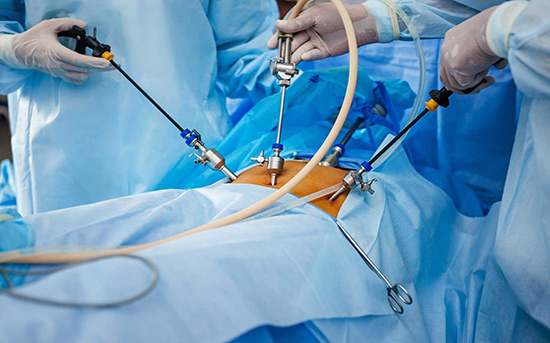
A thin telescope is passed through the natural urine passage into the ureter. The stone is broken with a laser or another energy source, and the pieces are removed or passed out in the urine. There is no cut on the body, and most patients go home in 1 to 2 days.
PCNL (percutaneous nephrolithotomy)
This is used mainly for larger stones inside the kidney. Through a small cut in the back, usually about 1 cm, the surgeon reaches the kidney, breaks the stone and removes it. It avoids the large cut of old-style open surgery. The hospital stay is usually 2 to 4 days.
DJ stent
A DJ stent is a thin, soft tube placed inside the body, from the kidney to the bladder. It keeps urine flowing, helps healing after URSL or PCNL, and can relieve a blocked kidney. While it is in place you may feel some burning, a frequent urge to pass urine, or see a little blood in the urine. These usually settle once it is removed.
Read more about kidney stone treatment, PCNL surgery and URSL and DJ stenting.
Warning: never forget a DJ stent
A DJ stent is temporary. It is usually removed after a few weeks in a short procedure through the urine passage. If it is forgotten for many months, stone can form on it, it can cause infection and block the kidney, and removing it may need a bigger operation. Write down the removal date and come on time, even if you move away for work.
When to see a doctor
- Severe pain in the back or side that does not settle with ordinary pain medicine
- Fever with chills along with stone pain, which needs urgent care
- Repeated vomiting, or passing very little urine
- Blood in the urine
- A stone seen on ultrasound, even without pain
At Dr. R.K. Thakur Hospital, we see patients from Gopalganj, Siwan, Chhapra and nearby districts and advise them clearly whether their stone can pass with medicines or needs a procedure. You can read more about our kidney stone treatment with PCNL, URSL and DJ stenting.
Our stone treatment is led by Dr. Rajnish Kumar Thakur, our founder and chief surgeon, a Laparoscopic, Laser, Urology and General Surgeon with more than 16 years of surgical experience. Ultrasound, digital X-ray, a pathology laboratory and a 24x7 emergency are available in our hospital. To book an OPD visit, please call or WhatsApp us on +91 72739 94786. You are welcome to send your ultrasound report in advance.