Kidney stone laser surgery recovery is usually quick, and most people are back to light work within a few days. The first week, however, can bring burning, blood-tinged urine and, if a DJ stent is placed, an unfamiliar discomfort that worries many patients. Knowing what is normal and what is not makes recovery much easier. Recovery after URSL, the most common kind of pathri ka operation done without any cut on the body, follows a predictable course, from the first day to the day the stent comes out.
What is kidney stone laser surgery (URSL)?
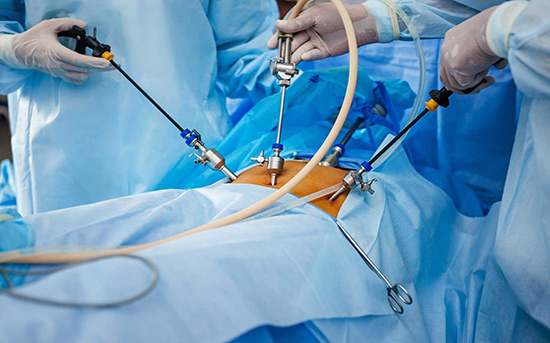
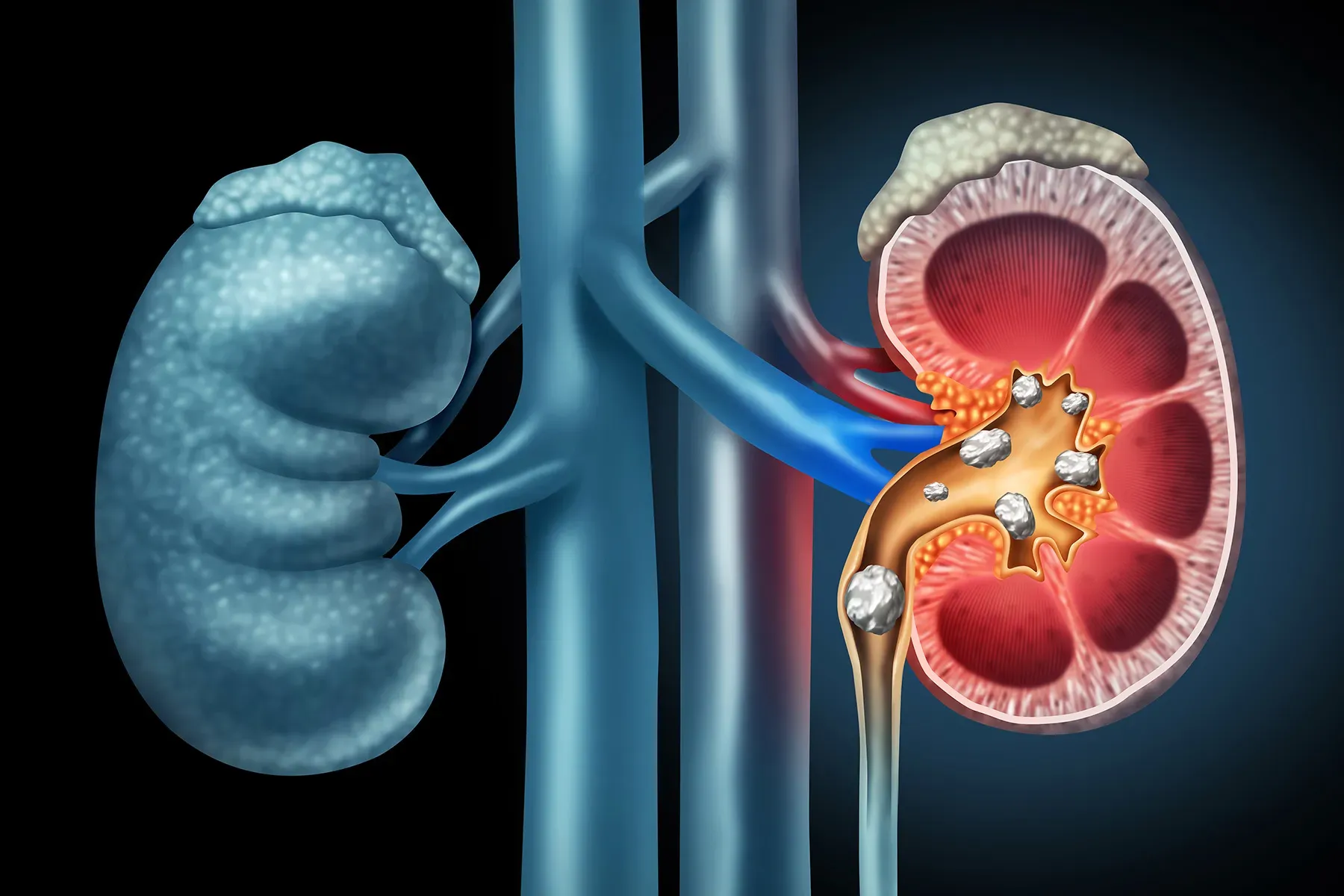
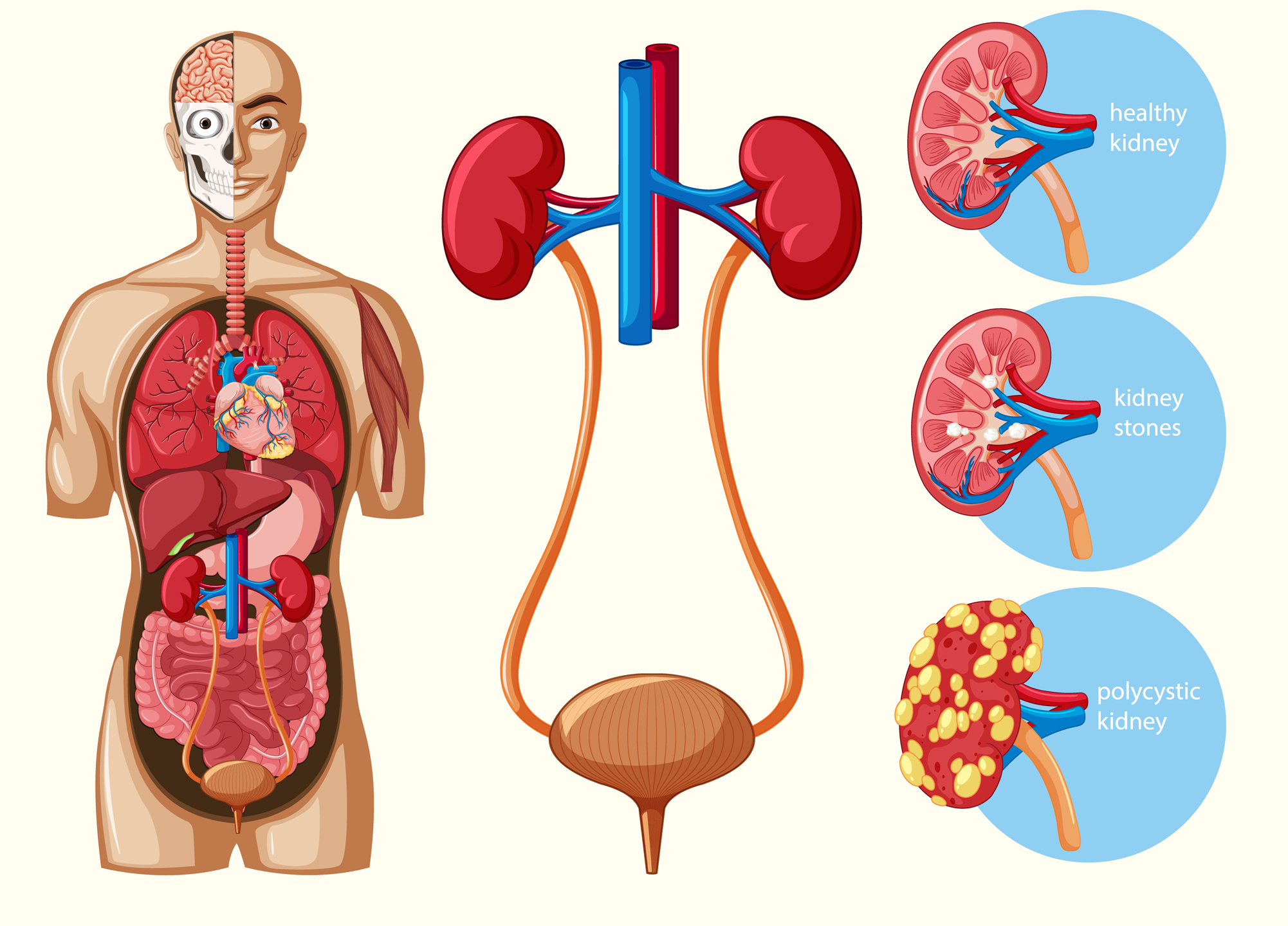
URSL stands for ureteroscopic lithotripsy. A thin telescope called a ureteroscope is passed through the urinary passage and the bladder up to the stone in the ureter (the tube that carries urine from the kidney to the bladder) or, in some cases, the kidney. The stone is broken into small pieces with a laser or another lithotripsy (stone-breaking) device, and the pieces are taken out with a tiny basket or left to pass in the urine. No cut is made on the body.
People often call any stone surgery without a cut a laser operation. Recovery is similar whichever stone-breaking device is used. At Dr. R.K. Thakur Hospital, Gopalganj, URSL usually takes about 30 to 90 minutes under spinal or general anaesthesia, and most patients stay with us for about 1 day. Before admission, our surgeon explains which method suits your stone.
Kidney stone laser surgery recovery: the first 24 hours
- You wake up with a drip, and sometimes a urine catheter (a thin tube in the bladder) that is usually removed within a day.
- Most people walk the same day and start eating normally once fully awake.
- We will ask you to drink water steadily to flush the urinary tract.
- Burning while passing urine and a pink colour to the urine are expected.
- Please keep an attendant with you for the first day. Do not drive until the anaesthesia has fully worn off and you no longer need strong pain medicines.
Common kidney stone laser surgery side effects in the first week
Blood in urine after the operation
Pink, red or tea-coloured urine for several days is common and usually settles with water and rest. It may come back for a while after long walks, travelling on rough roads or lifting, especially while a stent is in place. Heavy bleeding with thick clots, or bleeding that makes it hard to pass urine, is not normal.
Burning and frequent urination
A burning feeling and the need to pass urine often usually improve over a few days, and the medicines we prescribe at discharge help. Drinking enough water helps too. Cutting down on water to avoid going to the toilet makes the burning worse.
Pain in the side or lower abdomen
A dull ache in the side is common, especially while passing urine if a stent has been placed. Take the pain medicines as prescribed. Severe pain that does not settle with these medicines needs a prompt check, so please contact us.
Living with a DJ stent
A DJ stent (double-J stent) is a soft, thin plastic tube placed inside the ureter, with one curled end in the kidney and the other in the bladder. It keeps urine flowing while the swelling settles, and helps small pieces pass. It lies completely inside the body; nothing is seen outside.
Many people can feel the stent. Common complaints are:
- An ache in the side or loin during or immediately after passing urine
- A frequent or urgent need to pass urine, even when the bladder is not full
- Discomfort at the tip of the urinary passage or in the lower abdomen
- Blood-tinged urine off and on, especially after physical activity
These symptoms can be troublesome but are usually not dangerous. Water, the prescribed medicines and avoiding heavy exertion help. Please tell us if they are severe, as we can adjust your medicines.
DJ stent removal: do not miss the date
Our surgeon gives you a date for DJ stent removal, usually within a few weeks, depending on your case. Removal is a short day-care procedure called cystoscopy, which usually takes about 10 to 15 minutes, and most people go home the same day.
A stent must never be forgotten. If it is left in for too long, it can become coated with crust, blocked or infected, and can harm the kidney. Write the removal date on your discharge papers, save it on your phone and tell a family member. If you cannot come on that date, please call us to fix a new one.
Diet and water during recovery
- Drink enough water through the day to keep your urine pale yellow, often around 2.5 to 3 litres, unless your doctor has asked you to limit fluids.
- Eat normal home food. There is no need to stop dal, rice or roti.
- Keep salt low: cut down on pickles, papad, namkeen and packaged snacks.
- Do not stop milk, curd or other calcium foods on your own; normal amounts are usually fine.
- Avoid very large helpings of meat, and avoid sugary cold drinks.
- Nimbu pani (lemon water) without much sugar or salt is a good choice.
If your stone has been tested in a laboratory, our doctor may give you diet advice for your stone type. Read more in our guide on kidney stone diet, size and treatment.
Return to work, travel and daily life
Most people return to light work within a few days after URSL. Office or shop work is usually fine once pain is controlled. Hard physical work, heavy lifting and long rides on rough roads are best avoided until the stent is out, or as our surgeon advises, because they can increase bleeding and stent discomfort. Bathing is usually allowed from the next day.
How URSL recovery differs from PCNL
For large stones inside the kidney, our surgeon may advise PCNL, a keyhole operation through a small opening in the back. Recovery is longer: a hospital stay of about 2 to 4 days, and usually 1 to 2 weeks before normal work. You can read more about PCNL keyhole kidney stone surgery, URSL and DJ stenting, and all kidney stone treatment options.
Can the stone come back?
Surgery removes the stones present now, but it does not stop the body from making new ones. Many people who have had one stone get another in later years. Enough water every day, less salt and a follow-up scan as advised are the best ways to lower this chance.
Costs and the Ayushman card
Costs depend on the size and position of the stone, the tests needed, whether a stent is placed and the length of stay, and we explain them clearly before admission. As of mid-2025, urology packages were not part of our Ayushman Bharat PM-JAY empanelment. If you hold an Ayushman card, please confirm the current position with our Ayushman help desk before admission.
When to see a doctor
Please come to our hospital straight away, day or night, if you have:
- Fever with shivering
- Severe pain that does not settle with the prescribed medicines
- Heavy bleeding with clots, or you cannot pass urine
- Repeated vomiting, or you are unable to drink water
Please also call us if your stent removal date is close and you have not booked it, or if symptoms are still troubling you after a week or two.
At Dr. R.K. Thakur Hospital, Gopalganj, kidney stone procedures are performed by Dr. Rajnish Kumar Thakur, our founder and chief surgeon. Dr. Thakur is a Laparoscopic, Laser, Urology and General Surgeon with 16+ years of experience. Ultrasound, digital X-ray and pathology tests are available in our hospital, and our emergency care is open 24 hours. Patients come to us from Gopalganj, Siwan, Chhapra, Motihari, Bettiah and nearby Uttar Pradesh. Please call or WhatsApp us on +91 72739 94786 to send your reports or book your OPD visit.