Laparoscopic hysterectomy recovery is usually quicker than recovery after an open operation, but the uterus is a major organ and your body still needs time to heal inside. Many women go home in 2 to 3 days and manage light household work in about 2 weeks, yet the stitches deep inside take several weeks to become strong. Below, our surgical team explains what is normal, the precautions to take at home, when intercourse is safe, the bleeding and discharge warning signs to watch for, and how to look after your emotional health.
What happens in a laparoscopic hysterectomy?
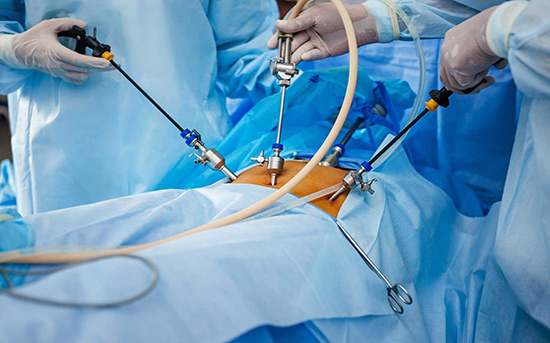
In a total laparoscopic hysterectomy (TLH), the surgeon makes 3 to 4 small cuts on the belly and operates while watching a screen. The blood vessels of the uterus are sealed, the uterus is separated and taken out through the vagina, and the top of the vagina is stitched closed. Periods stop after the operation, and pregnancy is no longer possible. The removed uterus is sent for histopathology (examination under a microscope). If you are still deciding whether you need surgery, read when is hysterectomy needed.
Laparoscopic hysterectomy recovery: week by week
In hospital (usually 2 to 3 days)
A urine catheter is usually kept for a short time. You are helped to walk within a day, which lowers the risk of blood clots and chest infection. Liquids and then light food are started as our team advises. Pain around the small cuts, and pain at the tip of the shoulder from the gas used during laparoscopy, are common for a day or two.
Weeks 1 and 2
Tiredness is normal. Walk inside the house, and a little outside, several times a day, and rest in between. Light spotting or a brownish discharge from the vagina is common. By about the end of week 2, most women can manage light household work such as making tea or folding clothes.
Weeks 3 to 6
Energy slowly returns. Walk a little more each day, and keep avoiding heavy work and lifting. Many women feel much better by 4 to 6 weeks, though full energy can take 6 to 8 weeks to return.
After about 6 weeks
After the follow-up check, most women gradually return to heavier work, including farm work, as our surgeon advises.
Precautions after uterus removal surgery
- No heavy lifting for about 6 weeks: avoid buckets of water, gas cylinders, grain sacks and lifting small children.
- Avoid straining: eat fibre, drink enough water, and ask us for a stool softener if you are constipated. Get a long-standing cough treated.
- Keep walking: short, frequent walks are better than lying in bed all day.
- Wound care: keep the small cuts clean and dry. A shower is usually allowed after a day or two, as advised; avoid bathing in a pond or tub until healed.
- Nothing in the vagina: no douching, cloth packs or home remedies inside the vagina until our surgeon says so.
- Diet: eat protein (dal, eggs, milk, paneer, fish) and iron-rich foods such as green leafy vegetables and chana, especially if heavy bleeding had made you anaemic. Take iron tablets if prescribed.
- Travel: short trips are fine, but if possible avoid long, bumpy journeys in the first 1 to 2 weeks.
When is intercourse safe after hysterectomy?
The stitches at the top of the vagina need time to heal. Most surgeons advise waiting at least 6 weeks, and some advise longer, up to about 12 weeks. Please wait until our surgeon has checked you and confirms that it is safe. After full healing, most women who had a normal sexual life before the operation continue to have one, and some whose sexual life was affected by heavy bleeding or pain find that it improves. If there is discomfort or dryness, please tell us, as it can usually be helped.
Bleeding after hysterectomy: what is normal and what is not
Usually normal: light spotting, or a pinkish, brownish or yellowish discharge that slowly reduces over the first few weeks. It may last up to about 6 weeks and should be lighter than a normal period.
Not normal, see a doctor:
- Bleeding as heavy as a period or heavier, or passing clots
- Discharge with a foul smell, or discharge with fever
- A sudden heavy, watery discharge from the vagina, or leaking urine
- Bright red bleeding that starts again after it had settled
Hormones and the ovaries
If your ovaries were kept, your hormones usually continue as before, even though periods stop. If both ovaries were removed before menopause, symptoms such as hot flushes, sweating, poor sleep, mood changes or vaginal dryness can begin soon after surgery. Please tell us about these, as there are ways to help.
Emotional health after hysterectomy
Feeling low, tearful or irritable in the first weeks is common. Some women feel a sense of loss, especially if they had wished for more children, and some worry that they will become weak. The operation does not make a woman weak; once healed, most women return to their normal household, farm and outside work. Family support matters: sharing heavy chores for a few weeks helps healing. If sadness lasts more than 2 weeks, or affects sleep, appetite or daily life, please tell us. It is a health problem like any other, and it can be treated.
Costs and the Ayushman card
Costs depend on the type of operation, the tests needed, the length of stay and the room type, and we explain them before admission. As of mid-2025, gynaecology packages were not part of our Ayushman Bharat PM-JAY empanelment. We request card holders to confirm the current position with our Ayushman help desk.
When to see a doctor
Please come to us straight away, day or night, for:
- Heavy vaginal bleeding or clots
- Fever, or foul-smelling discharge
- Severe or increasing belly pain, a swelling belly, or repeated vomiting
- Burning or difficulty while passing urine, or leaking urine
- Redness, swelling or pus at a cut
- A painful, swollen leg, breathlessness or chest pain
At Dr. R.K. Thakur Hospital, Gopalganj, laparoscopic and abdominal hysterectomy are performed by Dr. Rajnish Kumar Thakur, our founder and chief surgeon, a Laparoscopic, Laser, Urology and General Surgeon with 16+ years of experience. You can learn more on our pages on laparoscopic hysterectomy and, for a uterus that has slipped down, vaginal hysterectomy with pelvic floor repair. For general tips after keyhole surgery, see recovery after laparoscopic surgery. Please call or WhatsApp us on +91 72739 94786 for follow-up advice or to book your OPD visit.