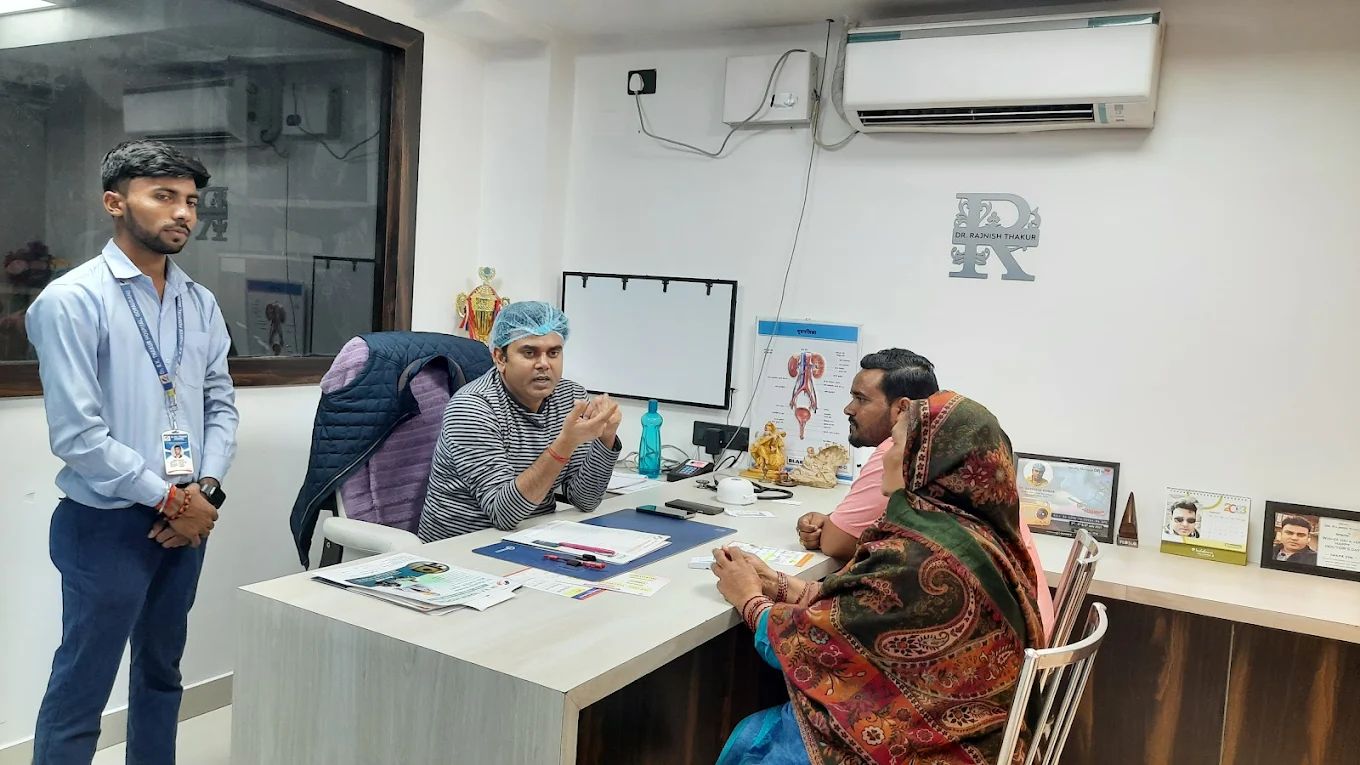
Many of our patients at Dr. R.K. Thakur Hospital travel from villages in Gopalganj district, from Siwan, Saran and East and West Champaran, and from the Kushinagar and Deoria districts of Uttar Pradesh. When you come from far, one missing report or a wrong meal on the morning of surgery can mean an extra day, an extra trip or a postponed operation. Our team has put together this checklist for preparing for surgery to help you avoid these problems.
Our surgeon will give you exact instructions for your own case, and those always come first.
1. Before you travel: send your reports on WhatsApp
- Take clear photos of your ultrasound, X-ray, CT scan, blood reports and old prescriptions.
- Please send them to us on WhatsApp at +91 72739 94786 and ask for an OPD appointment.
- Ask which tests to get done before coming and which we will do in our hospital. This can save a day.
- Ask whether you should come fasting on the OPD day, in case surgery can be planned soon.
2. Papers and reports to carry
- All original reports, scan films and CDs, even old ones
- Old prescriptions and discharge summaries of any earlier operation
- Reports of heart, sugar, thyroid or kidney treatment, if you have these illnesses
- The patient's Aadhaar card, and the Ayushman card if you have one
- A mobile phone linked to the patient's Aadhaar, for OTP
Keep everything in one plastic folder so nothing gets wet or lost on the way.
3. Make a list of all your medicines
Write down the name, strength and timing of every medicine, or bring the strips and bottles. Please tell our doctor clearly about these:
- Blood thinners: such as aspirin, clopidogrel, warfarin or other medicines given after a heart problem, stroke or stent. Some may need to be stopped or changed before surgery, but only on the advice of your surgeon and the doctor who prescribed them. Never stop them on your own.
- Diabetes tablets and insulin: the dose often needs to change on the fasting day to avoid low sugar.
- Blood pressure medicines: many are continued on the morning of surgery with a sip of water, but ask first.
- Thyroid, asthma and fits (epilepsy) medicines, and any herbal or ayurvedic medicines
4. Fasting before surgery
For most operations under anaesthesia, the stomach must be empty so that food does not come up into the lungs. Our team will tell you the exact time. In general:
- Do not eat anything for about 6 to 8 hours before the operation, or from the time the doctor tells you.
- Plain water may be allowed until a shorter time before surgery, but only if our team says so.
- Do not chew gutkha, tobacco or paan on the day of surgery.
- If you are diabetic, ask what to do if you feel signs of low sugar while fasting, such as sweating, shaking or confusion.
5. One or two attendants are enough
Bring one or two responsible adults, ideally people who can stay for the whole hospital stay. A large group in the ward makes it hard for our nurses to work, increases the risk of infection and tires the patient. The attendant should:
- Know the patient's illnesses and medicines
- Be able to sign consent papers along with the patient, if needed
- Carry some money for travel, food and other needs
For women patients, it helps to bring a female attendant.
6. What to pack
- Loose, clean cotton clothes that open at the front, and a towel or gamchha
- Slippers with a good grip
- Toothbrush, soap, comb, a steel glass and a tiffin or plate
- A water bottle, and a charged phone with its charger
- Sanitary pads for women
- The patient's spectacles, walking stick or hearing aid, if used
7. What not to bring
- Gold jewellery, large amounts of cash or other valuables
- Outside food for the patient after surgery, unless our team allows it
- Small children as visitors, as far as possible
- Tobacco, gutkha or alcohol
On the day of surgery, bathe if possible, and remove all jewellery, nail polish and make-up.
8. Arrange your stay
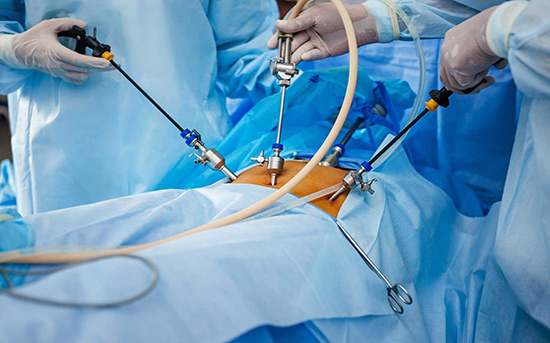
If you live far away, plan where the attendant will stay and eat. For some operations the patient may be asked to come a day earlier for tests and a check-up by the anaesthesia doctor. Please ask our team in advance how many days to plan for. Many planned laparoscopic operations, such as gallbladder or hernia surgery, need a stay of about 1 to 2 days, but this depends on the operation and your condition.
9. Plan your follow-up before you leave
- Before discharge, understand your medicines, the dressing, what to eat and when you can bathe.
- Note the date for stitch removal or follow-up. If a DJ stent or catheter was placed, write down its removal date.
- Ask whether the dressing can be done by a doctor near your home, so you do not have to travel for small things.
- Save our hospital number, and ask when you can send us photos or reports on WhatsApp.
- Keep the discharge summary safe; it is needed for any future treatment.
If you have an Ayushman card
Bring the card and the patient's Aadhaar, and meet our Ayushman help desk after your OPD visit. Our help desk checks whether your treatment is covered under the scheme's package rules, our empanelment and your eligibility. As of mid-2025, our empanelment covers general and laparoscopic surgery packages. Please read our simple guide to using your Ayushman card for surgery.
When to see a doctor
Do not wait for the planned date if the patient develops any of these before surgery:
- Severe belly pain, repeated vomiting, or a swelling that becomes hard and painful
- High fever, or jaundice (yellow eyes)
- Chest pain or breathlessness
- Bleeding that does not stop
Patients travelling to Gopalganj for surgery from Siwan, Chhapra and nearby districts can consult Dr. Rajnish Kumar Thakur, our founder and chief surgeon, at Dr. R.K. Thakur Hospital, and many send us their reports on WhatsApp before planning the trip. If you are coming for one of the most common planned operations, please read about our laparoscopic gallbladder stone surgery.
If any of these signs appear, go to the nearest emergency or contact us, as our emergency is open 24x7. To plan your visit, please call or WhatsApp us on +91 72739 94786. You can read more about gallbladder stone surgery, laparoscopic hernia repair and our patient guide.