Kidney Stone Treatment
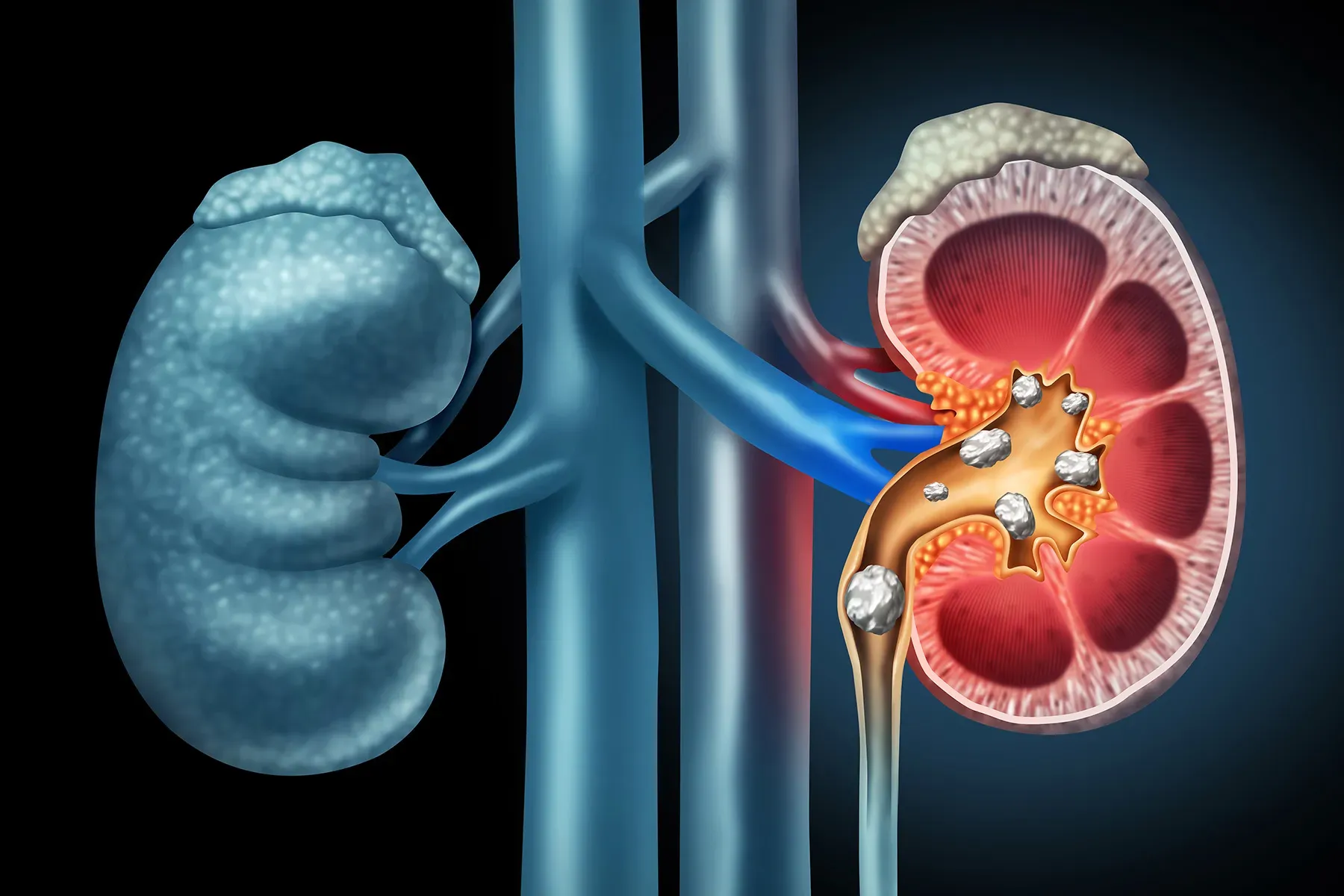
We offer complete care for kidney and ureter stones in Gopalganj: tests, medicines for small stones, and keyhole or no-cut procedures such as PCNL and URSL for large or stuck stones.
With PCNL, we remove large kidney stones through a small keyhole in the back, using a thin telescope. We usually advise it for stones above about 1.5 to 2 cm, including staghorn stones.
At Dr. R.K. Thakur Hospital, we perform PCNL surgery in Gopalganj for people with a large kidney stone, usually above about 1.5 to 2 cm, or a branched (staghorn) stone that is too big to pass. This large kidney stone operation removes the stone through a small keyhole in the back, instead of the long cut of old open surgery. It is performed by Dr. Rajnish Kumar Thakur (MBBS, MS General Surgery), our founder and chief surgeon, who serves as our Senior Consultant Laparoscopic, Laser, Urology and General Surgeon and leads our urology services. Patients come to us from Gopalganj, Siwan, Chhapra, Motihari, Bettiah and the nearby Uttar Pradesh districts of Kushinagar and Deoria. If you are looking for kidney stone surgery near Siwan, our hospital in Gopalganj is a short journey away. Families trust Dr. Thakur with large stones because of his 16+ years of surgical experience, his work at IGIMS Patna and Lady Hardinge Medical College, New Delhi, and the experiences our patients share in their reviews. Please visit our OPD, Monday to Friday, 10 am to 7 pm, or send your CT scan or ultrasound on WhatsApp to +91 72739 94786.
PCNL (percutaneous nephrolithotomy) is a keyhole operation for large kidney stones. Percutaneous means through the skin. Our surgeon makes a small cut, usually about 1 cm, in the back over the kidney and passes a thin telescope called a nephroscope directly into the kidney.
Through the nephroscope, a lithotripsy device breaks the stone into small pieces, using energy such as laser or pneumatic energy, depending on the case and available equipment. The pieces are then washed or lifted out. At the end, our surgeon may leave a DJ stent (a thin tube inside the body, from the kidney to the bladder) and sometimes a small drainage tube from the back, called a nephrostomy, for a day or two, so that urine drains well while the kidney heals.
We usually advise PCNL for:
Before surgery you will need an ultrasound and an X-ray KUB, and usually a CT scan to map the stone. Urine tests check for infection, and any infection is treated first. We also do blood tests, an ECG and a fitness check for anaesthesia.
For smaller kidney stones or stones in the ureter, a no-cut option such as URSL may be better. Our surgeon decides after seeing your scans.
Most patients sit up and walk the next day and start a normal diet soon after. Some pain near the keyhole and some blood in the urine for a few days are common. If a nephrostomy tube is placed, we usually remove it in 1 to 3 days. Light work can often start in 1 to 2 weeks, but please avoid heavy lifting and hard physical work for about 4 weeks or as advised. If a DJ stent is placed, it must be removed on the date we give you, usually within a few weeks. Please drink plenty of water.
PCNL is a major procedure, and we explain the risks before you give consent. Possible problems include bleeding (occasionally needing a blood transfusion), fever or infection, urine leaking from the keyhole for a short time, small pieces of stone left behind that may need a second procedure, and, rarely, injury to nearby organs such as the bowel or the lining of the lung. We reduce risk by treating urine infection first, planning the route on your scans and monitoring you closely after surgery.
The cost of PCNL is different for each patient, so we do not publish one fixed price. It depends on the size, number and position of the stones, whether a CT scan and other tests are needed, the anaesthesia, whether a nephrostomy tube and DJ stent are used, the days in hospital (usually 2 to 4), the room type, medicines, and whether a second sitting or later stent removal is needed. Diabetes, heart disease or a urine infection that must be treated first can add tests and days. After the OPD visit and your reports, we give you a clear written estimate before admission, and you are welcome to send reports on WhatsApp first for guidance. Ayushman Bharat PM-JAY: as of mid-2025, urology packages such as PCNL were not part of our empanelment, which covered general and laparoscopic surgery packages. Please confirm the current status with our Ayushman help desk.
PCNL needs careful planning and steady hands. Our chief surgeon, Dr. Rajnish Kumar Thakur, Senior Consultant Laparoscopic, Laser, Urology and General Surgeon, has 16+ years of surgical experience and more than 10,000 surgeries performed, with experience at IGIMS Patna and Lady Hardinge Medical College, New Delhi. He works with our anaesthesia specialist, Dr. Neeraj Chaturvedi, and our hospital has modern operation theatres, an ICU, ultrasound, digital X-ray and a pathology laboratory. Please read our kidney stone treatment guide, or call us on +91 72739 94786.
Patients often ask us who the best PCNL surgeon in Gopalganj is. Families from Siwan, Saran, the Champarans and Uttar Pradesh trust Dr. Rajnish Kumar Thakur, our founder and chief surgeon, and our Senior Consultant Laparoscopic, Laser, Urology and General Surgeon. He has 16+ years of surgical experience and more than 10,000 surgeries performed. He has worked at IGIMS Patna and Lady Hardinge Medical College, New Delhi, and served as a Specialist Medical Officer under the Government of Bihar. You can read our patients' reviews on our reviews page.
PCNL is done through one small keyhole in the back, usually about 1 cm long. For some large or branched stones, a second small keyhole may be needed. This is much smaller than the long cut of old open stone surgery, so pain is usually less and recovery is quicker. The keyhole usually heals within one to two weeks, and we explain wound care before you go home.
Many patients have a DJ stent, a thin soft tube inside the body from the kidney to the bladder, and some also have a small nephrostomy tube coming out of the back for 1 to 3 days. These help urine drain while the kidney heals. The DJ stent cannot be seen from outside, but it must be removed on the advised date, usually within a few weeks, through a short procedure.
We perform PCNL in many older patients and in people with diabetes or high blood pressure, after a proper fitness check. We first bring sugar and blood pressure under control, and heart tests such as ECG and ECHO can be done at our hospital if needed. Our anaesthesia team decides the safest type of anaesthesia. Our surgeon explains your personal risk before you decide.
Ayushman Bharat PM-JAY coverage at a hospital depends on the specialities it is empanelled for. As of mid-2025, our empanelment covered general and laparoscopic surgery packages, and urology packages such as PCNL were not included. This can change, so please ask our Ayushman help desk for the current status before admission. For patients who are not covered, we explain the costs clearly before admission.
Yes, many people call it doorbeen se pathri ka operation, meaning a stone operation with a telescope. Under anaesthesia and with X-ray or ultrasound guidance, our surgeon makes a keyhole of about 1 cm in the back and passes a thin telescope called a nephroscope into the kidney. The stone is broken into pieces with a lithotripsy device and removed. A DJ stent and sometimes a small nephrostomy tube help urine drain while the kidney heals.
The operation usually takes 1 to 2 hours, depending on the size and number of stones. Most patients stay in hospital for 2 to 4 days. If a nephrostomy tube is placed, it is usually removed within 1 to 3 days. Very large or branched stones sometimes need a second sitting, and our surgeon tells you this before surgery so that you can plan time off work.
Most patients sit up and walk the next day and eat normally soon after. Some pain near the keyhole and blood-tinged urine for a few days are common. Light work can usually start in 1 to 2 weeks. Heavy lifting and hard physical work should wait about 4 weeks. Recovery can be slower in older patients or when there were many stones, so please follow our surgeon's advice.
For PCNL, the cost depends on the size and number of stones, tests such as a CT scan, the anaesthesia, the tubes and stents used, the days in hospital, the room type, medicines, and any second sitting or stent removal. Other illnesses such as diabetes can add tests. We do not quote a price without seeing your reports. We give you a clear written estimate before admission, and you are welcome to send your reports on WhatsApp first.
Medicines and extra water usually help only small stones, generally below about 5 to 6 mm. A stone above about 1.5 to 2 cm rarely passes on its own. Only some uric acid stones can be dissolved with medicines, and we check for this. Leaving a large stone can lead to repeated pain, infection and damage to the kidney. Our surgeon decides after seeing your CT scan and kidney function tests.
Yes. Many patients from Siwan, Chhapra, Motihari, Bettiah, Kushinagar and Deoria come to us for PCNL. Please send your CT scan or ultrasound and kidney function report on WhatsApp to +91 72739 94786 first, and our team will guide you on the OPD visit and admission. Please bring one attendant, all your old reports and a list of the medicines you take when you come.
Start with light home food such as dal, rice, roti, khichdi and vegetables, and drink plenty of water. Eat less salt, pickles, papad and packaged snacks, and do not overeat meat. Do not stop milk or curd on your own. Fruit and vegetables help you avoid constipation. Once the stone test report comes, we may give you special diet advice for your type of stone.
Share your details and our team will call you back to plan your visit.
This information is for general awareness and does not replace a consultation. Treatment depends on each patient's condition.
Last updated: 30 September 2026
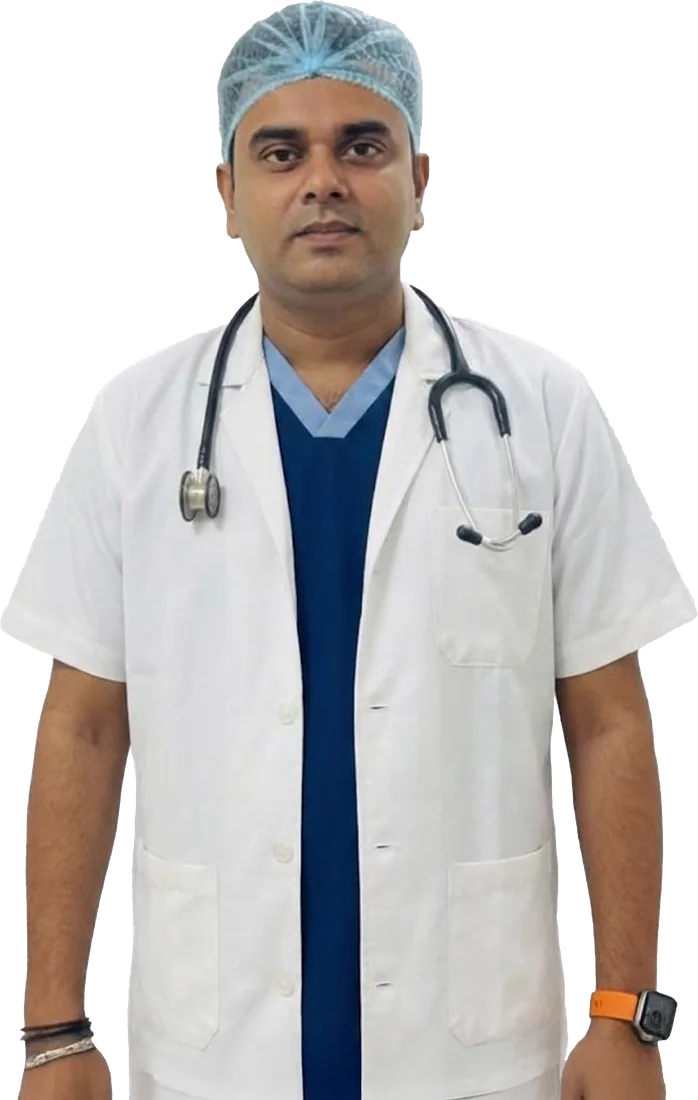
Founder and Chief Surgeon: Laparoscopic, Laser, Urology and General Surgeon
MBBS, DA, MS (General Surgery)
View detailsReal reviews from patients and families, as posted on our Google Business Profile.

I Recently Visited this Clinic in Gopalganj, Earlier I was a bit Hesitant, But Once I met the Doctor, I was so Sure & Confident that I am in Good Hands,
Very Well Experienced Doctor
Well Behaved Staffs
Nice Arrangements
& Most Important, Very Easy Procedure.
Would Always be Thankful to Mr. RK Thakur & His Team.
My relative hernia surgery at Dr RK Thakur Hospital Went Very Well, Skilled Doctors, Caring Staff and Smooth recovery, Highly Satisfied.
डाक्टर साहब बहुत अच्छे है उनका बात करने का अंदाज बहुत ही निराला है स्टाफ के बारे में कुछ नहीं कहा जा सकता बाकी हॉस्पिटल अच्छा हैDoctor sahib is very good, and the way he talks to patients is truly special. I cannot say much about the staff, but otherwise the hospital is good.
Share your name and phone number. Our team will call you back to plan your OPD visit.